Finding the best treatment for children with sepsis
Every child, wherever they live, deserves the best possible chance of surviving sepsis and making a full recovery.
Every year, an estimated 25 million children and adolescents worldwide develop sepsis. Sadly around 13% lose their lives, and many survivors experience lasting health complications. PASSPORT is an international trial that will find out. It opens to patients in Australia and New Zealand in 2027.

Has your child joined PASSPORT?
Find out what taking part involves, and your choices.
Choose your pathway
For families & young people
Understanding, participation and choice.
Is your hospital interested in joining?
See what is involved and the support we provide.
For researchers & clinicians
Platform design, domains and evidence
2. What is PASSPORT?
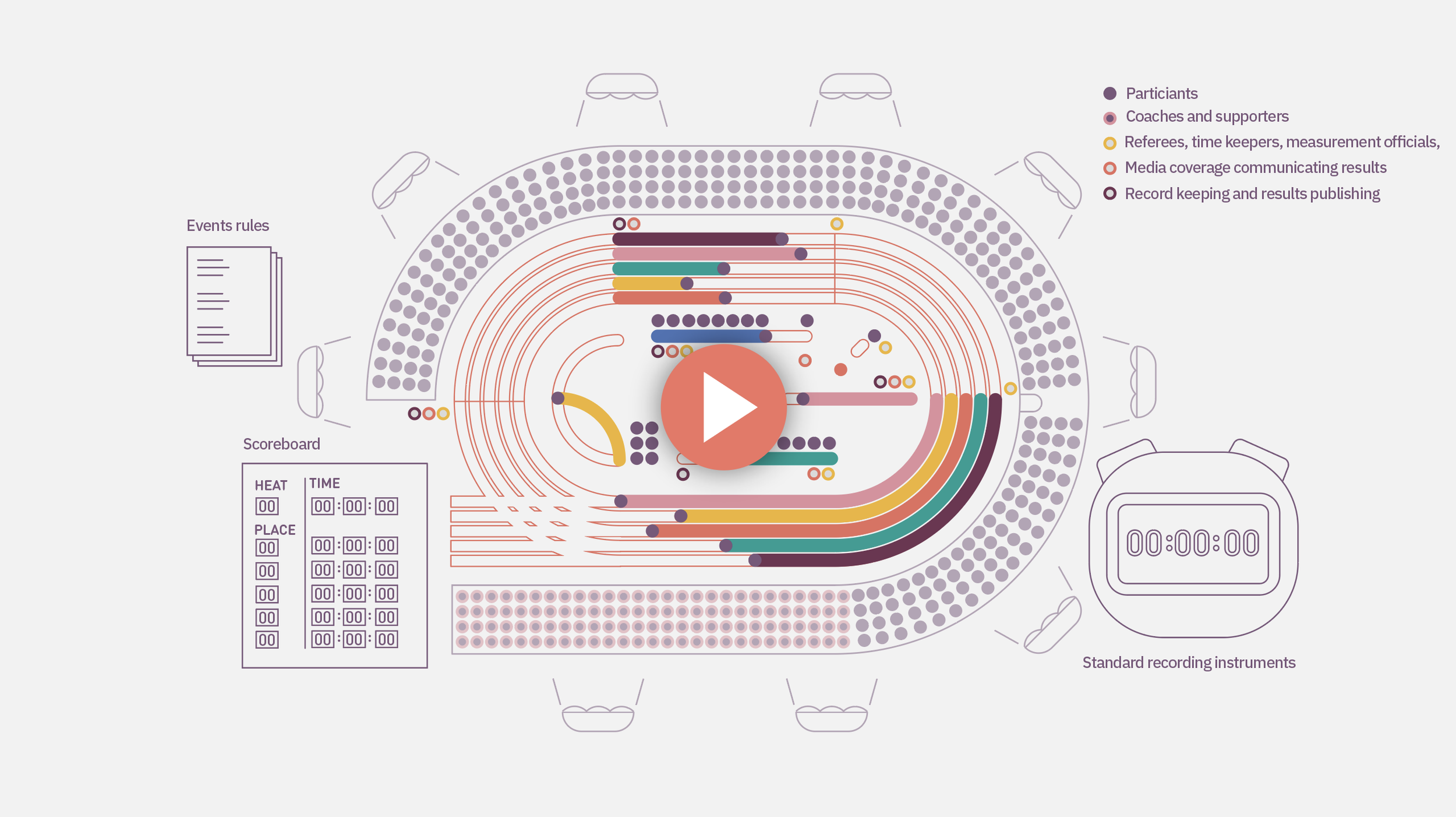
PASSPORT compares treatments that hospitals already use for children with sepsis, to find which work best. It is an adaptive platform trial: one permanent trial that tests several treatments at once and adds new questions as old ones are answered. Every child in PASSPORT receives standard care.

Current studies
Fluid resuscitation
Should children with sepsis receive smaller or larger amounts of fluid through a drip?
Initial vasoactive
When fluid is not enough, is adrenaline or noradrenaline the better first medicine?
Study outlook
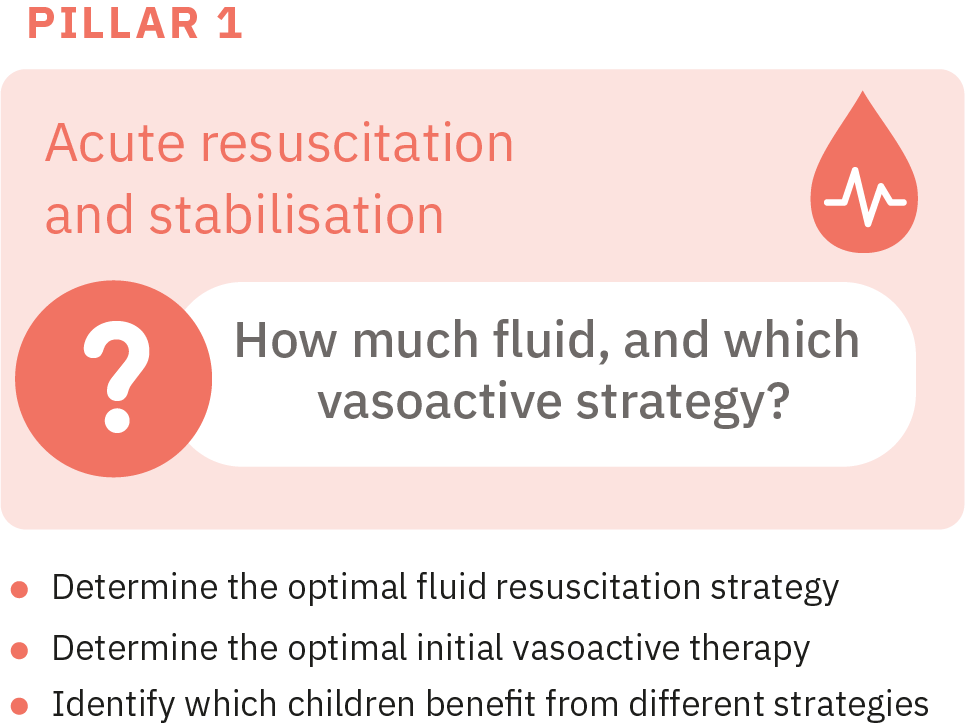
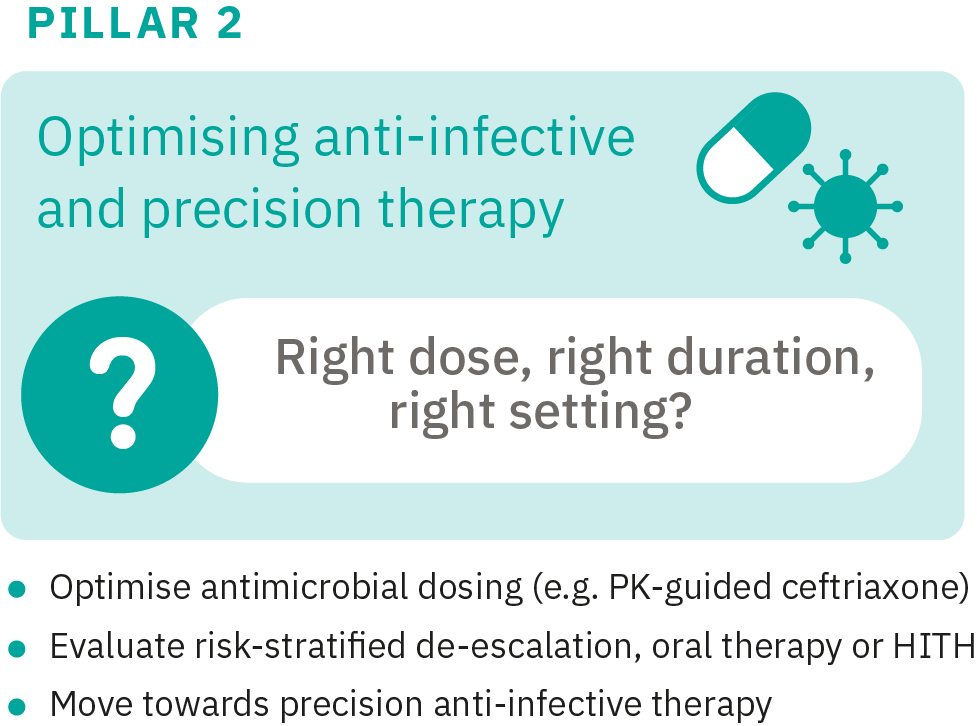
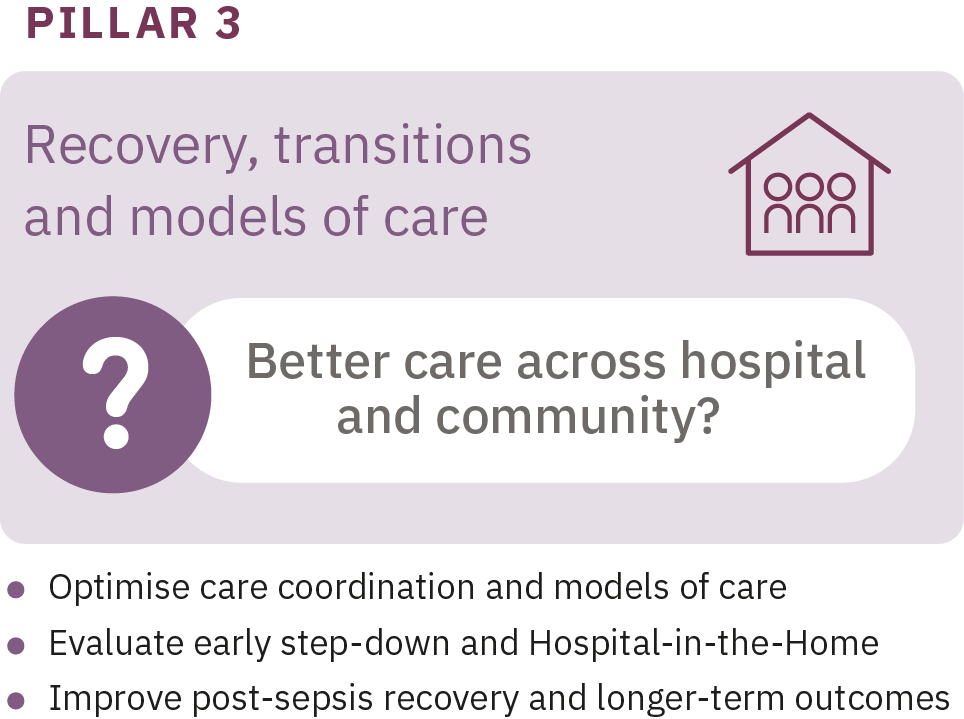
More than 1,000 children, parents, carers and clinicians in 60 countries chose the top 10 questions for children's sepsis research. Seven are about recognising sepsis earlier.
Research established by families and clinicians
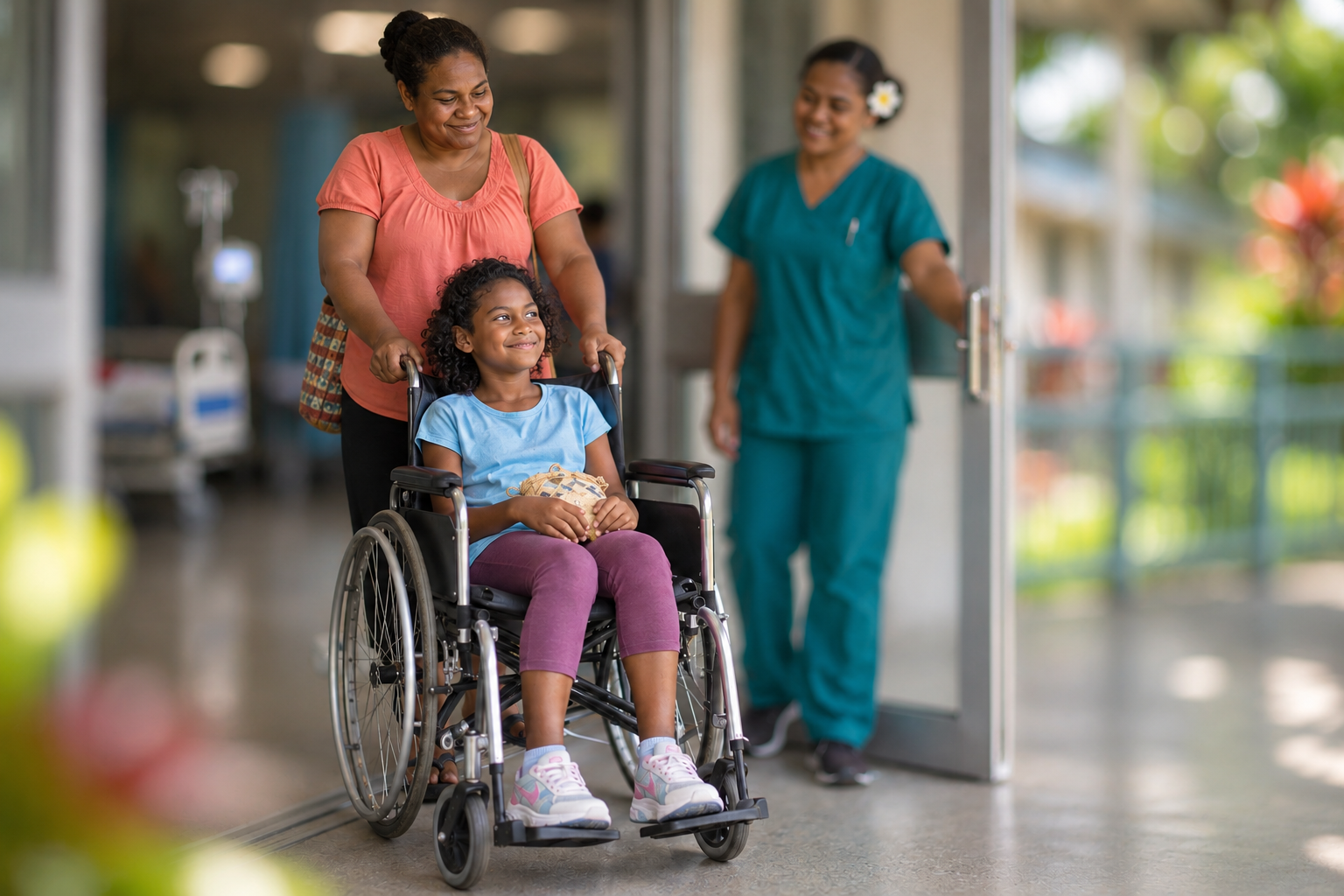
PASSPORT is led by the Murdoch Children's Research Institute, with generous funding and support from the Medical Research Future Fund and the Royal Children's Hospital Foundation.
We gratefully acknowledge their commitment to advancing paediatric sepsis research and improving outcomes for children and their families worldwide.
Project partners: