PASSPORT, the Paediatric Adaptive Sepsis Platform Trial, aims to find which treatments give children with sepsis the best chance of surviving and recovering.
About PASSPORT
Sepsis is a leading cause of death from infection in children. Each year about 25m children develop it and 3.4m die, most of them under five. Yet most treatment advice rests on weak evidence. Hospitals treat the same illness in different ways, and nobody knows which way is best.
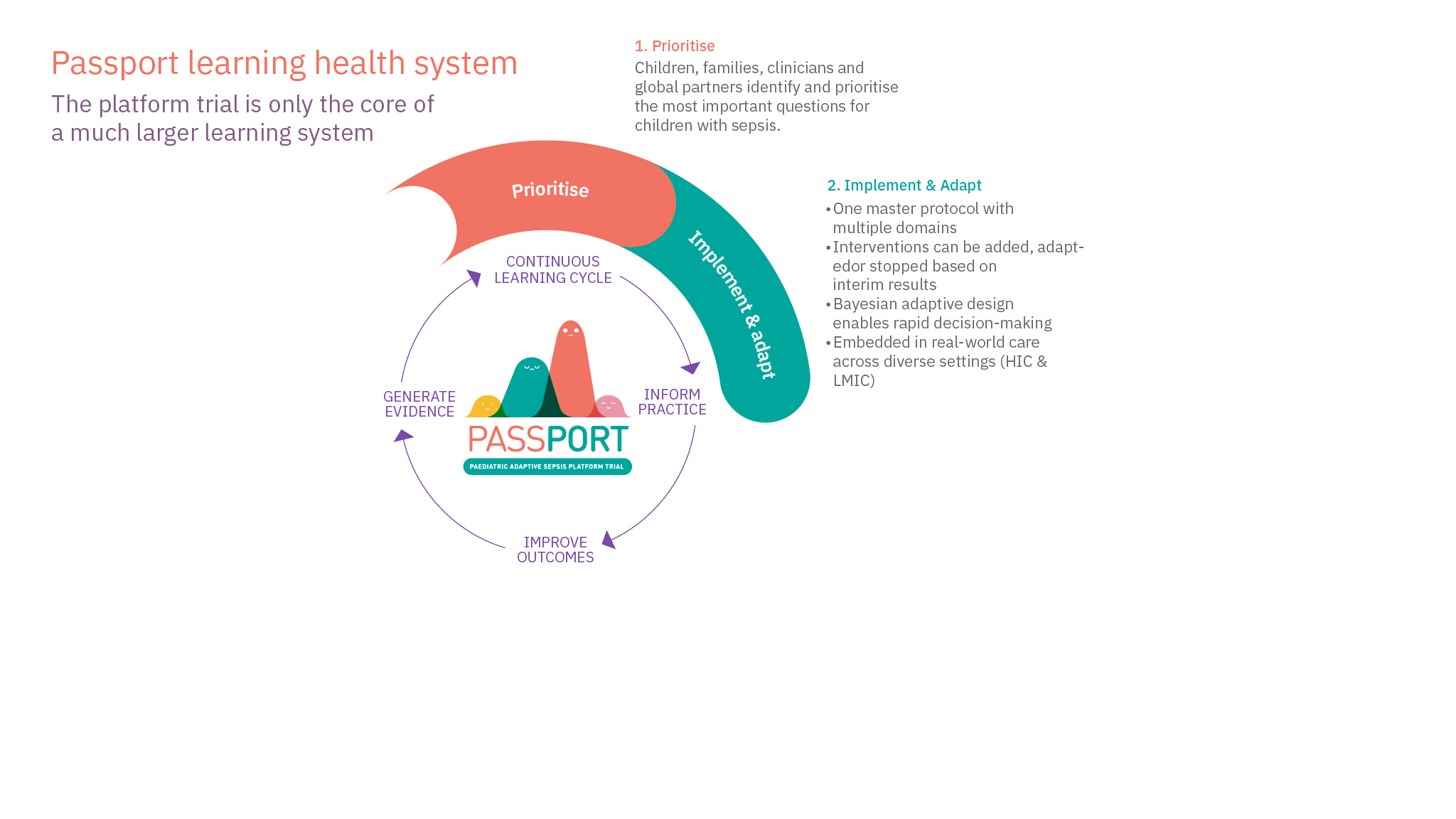
PASSPORT is designed to settle these questions. It is an adaptive platform trial: a single, permanent trial that tests several treatments at once. It drops treatments that are not working and adds new questions as old ones are answered.
Key facts
Who: Children from birth to 17 years who are admitted to hospital with suspected sepsis
Where: Australia and New Zealand first, then other countries, with a focus on low and middle income countries
When: Recruitment starts in March 2027
First studies: Fluid resuscitation and the first medicine used to support circulation
Led by: Murdoch Children's Research Institute
Funded by: Australian Medical Research Future Fund and the Royal Children's Hospital Foundation
How it works
A child arrives at a participating emergency department with suspected sepsis. Clinicians check whether the child meets the trial's entry criteria.
If the child needs a treatment that PASSPORT is studying, a computer assigns them at random to one of the standard options.
Doctors make every other decision about the child's care.
Researchers collect information from the medical record. Some families are asked to complete a survey six months later.
An independent committee reviews the results at regular intervals. When a clear answer emerges, the study closes and the results are published.
More than a trial
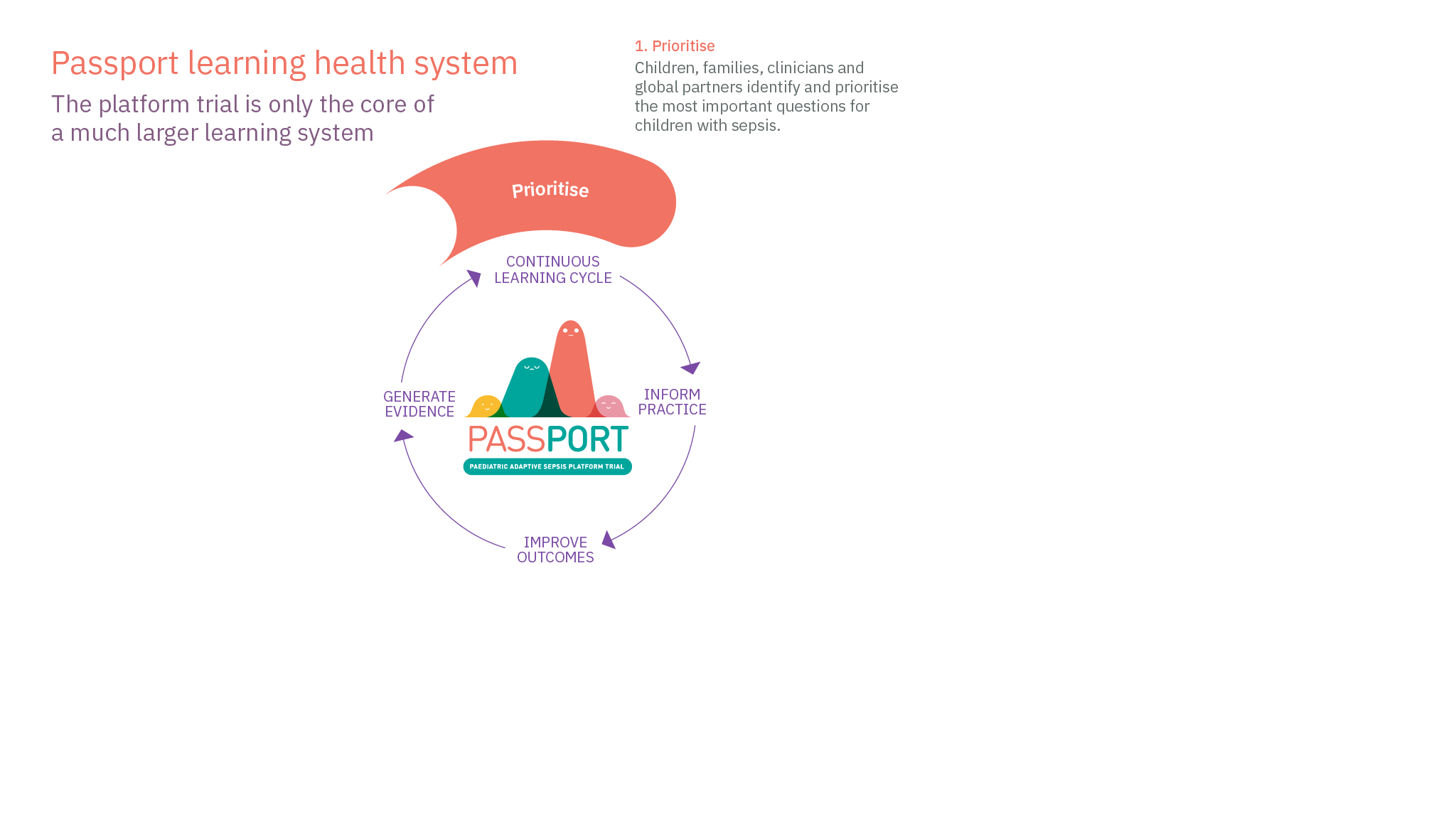
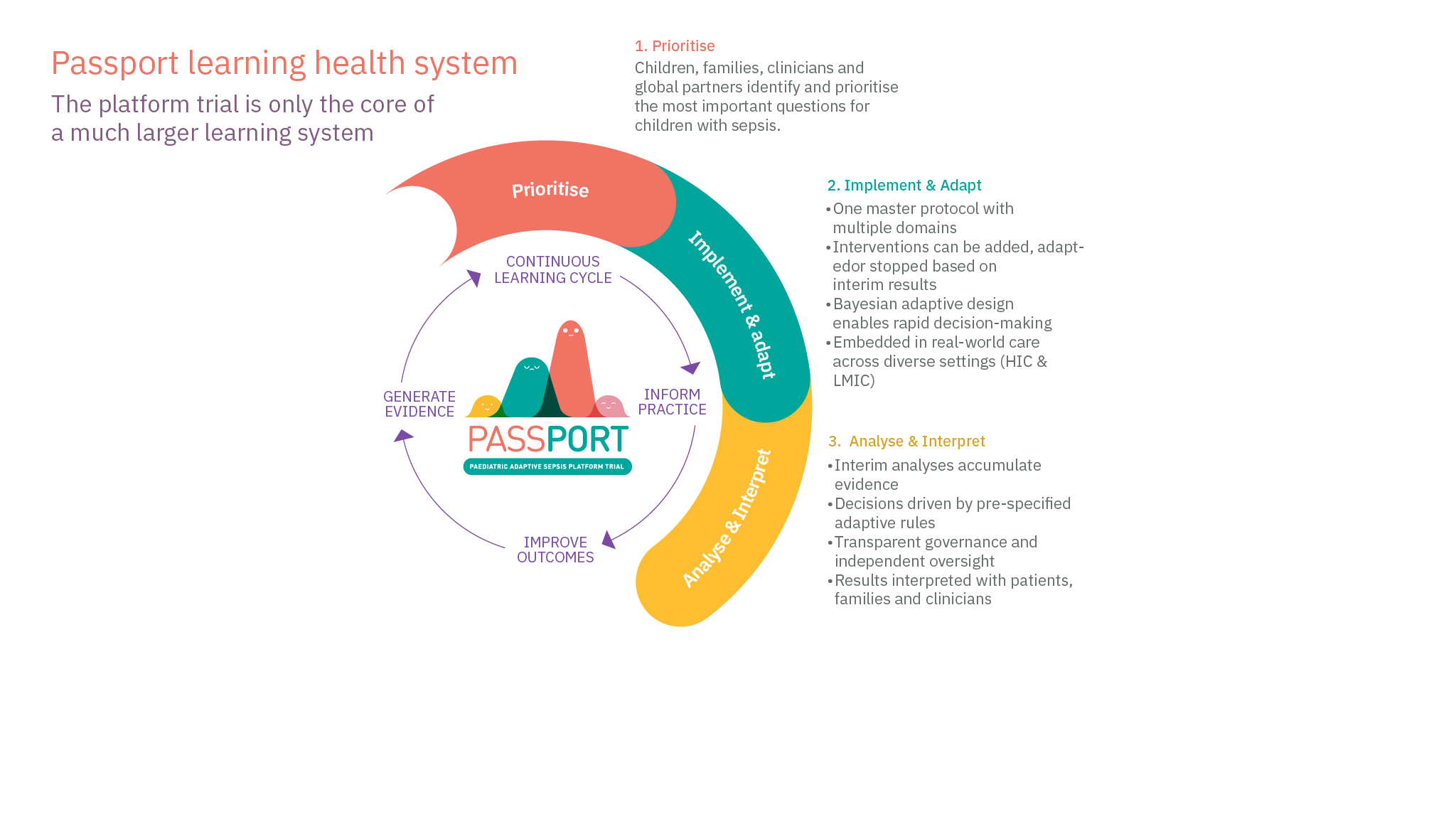
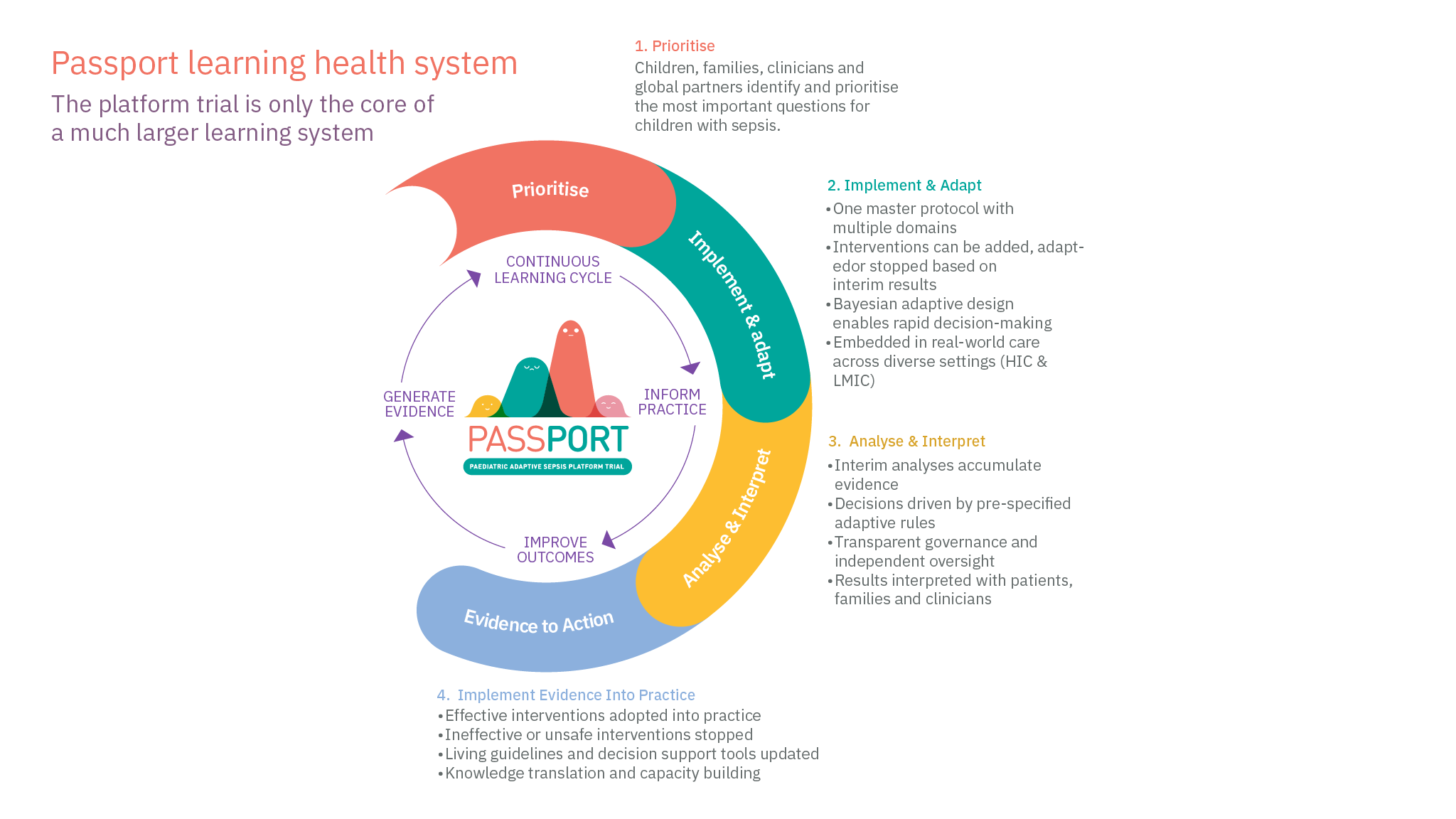
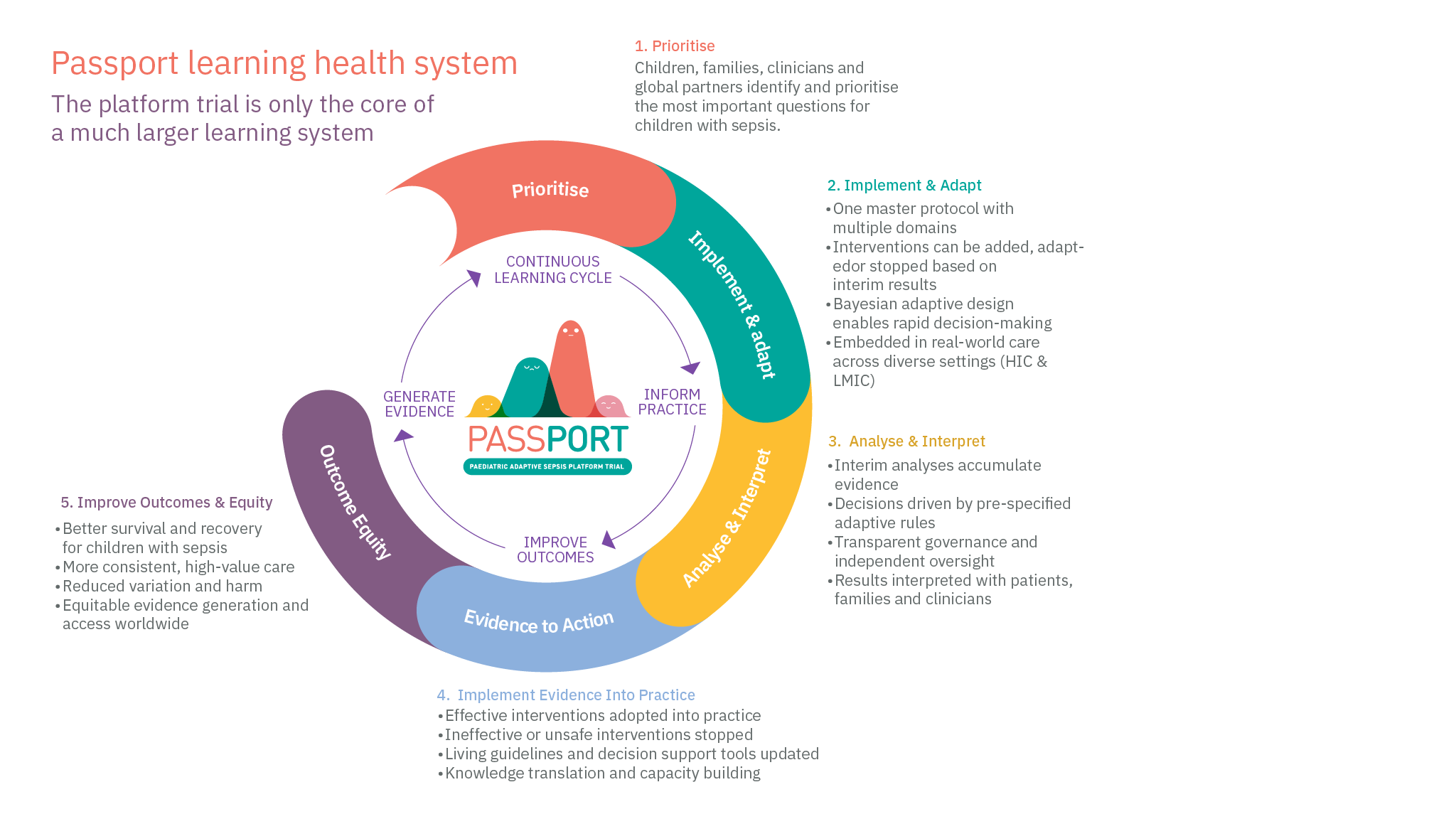
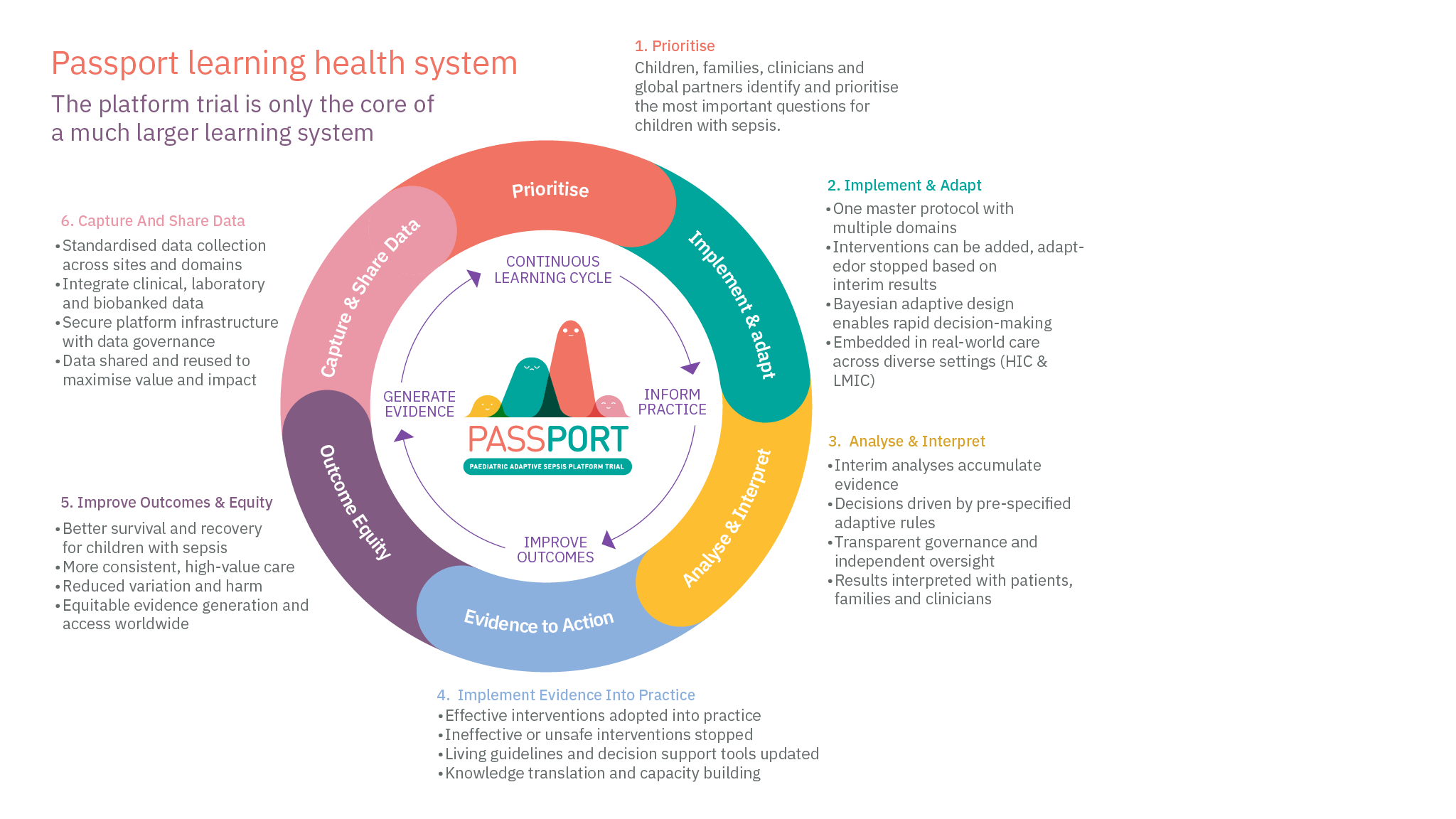
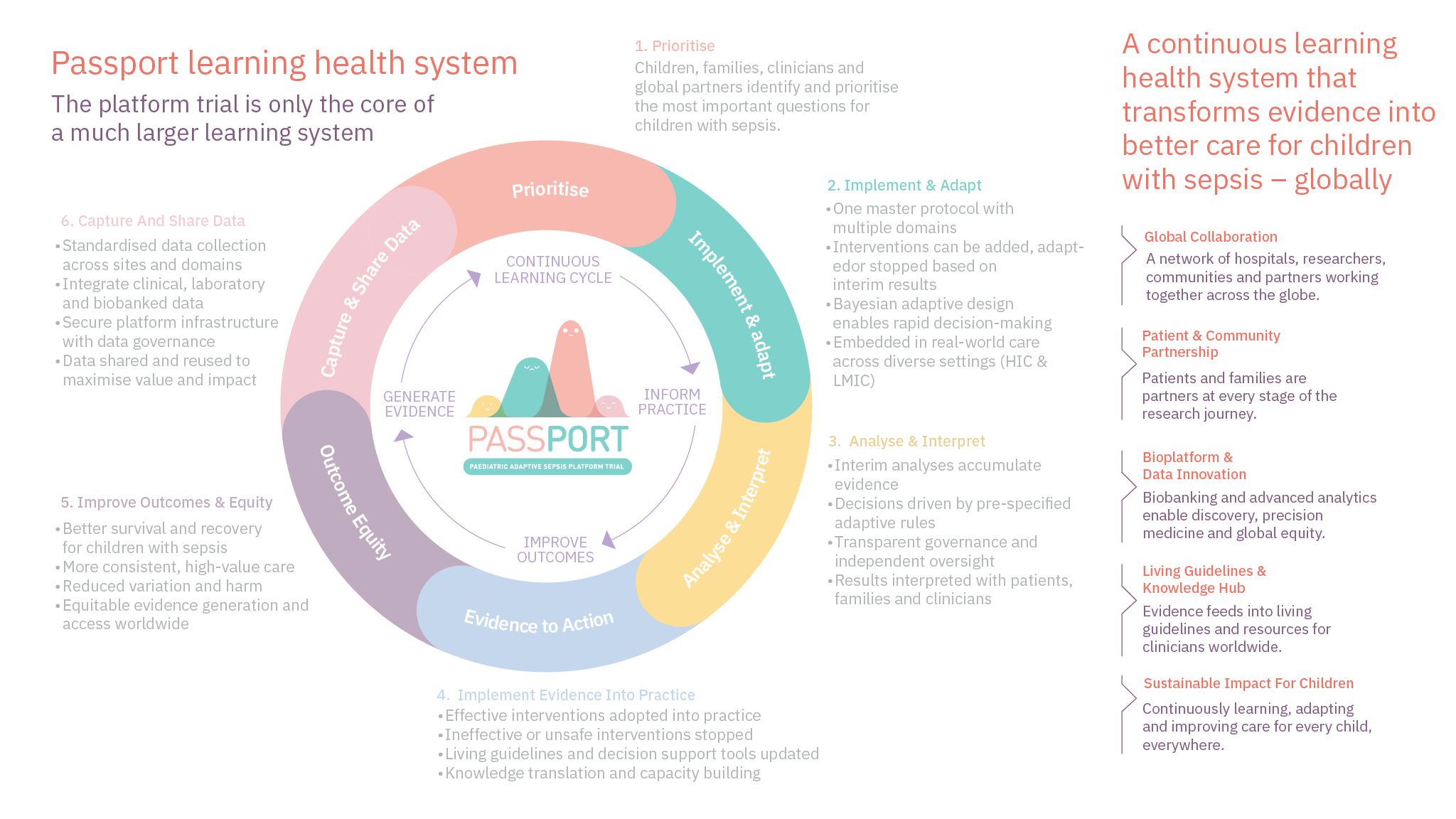
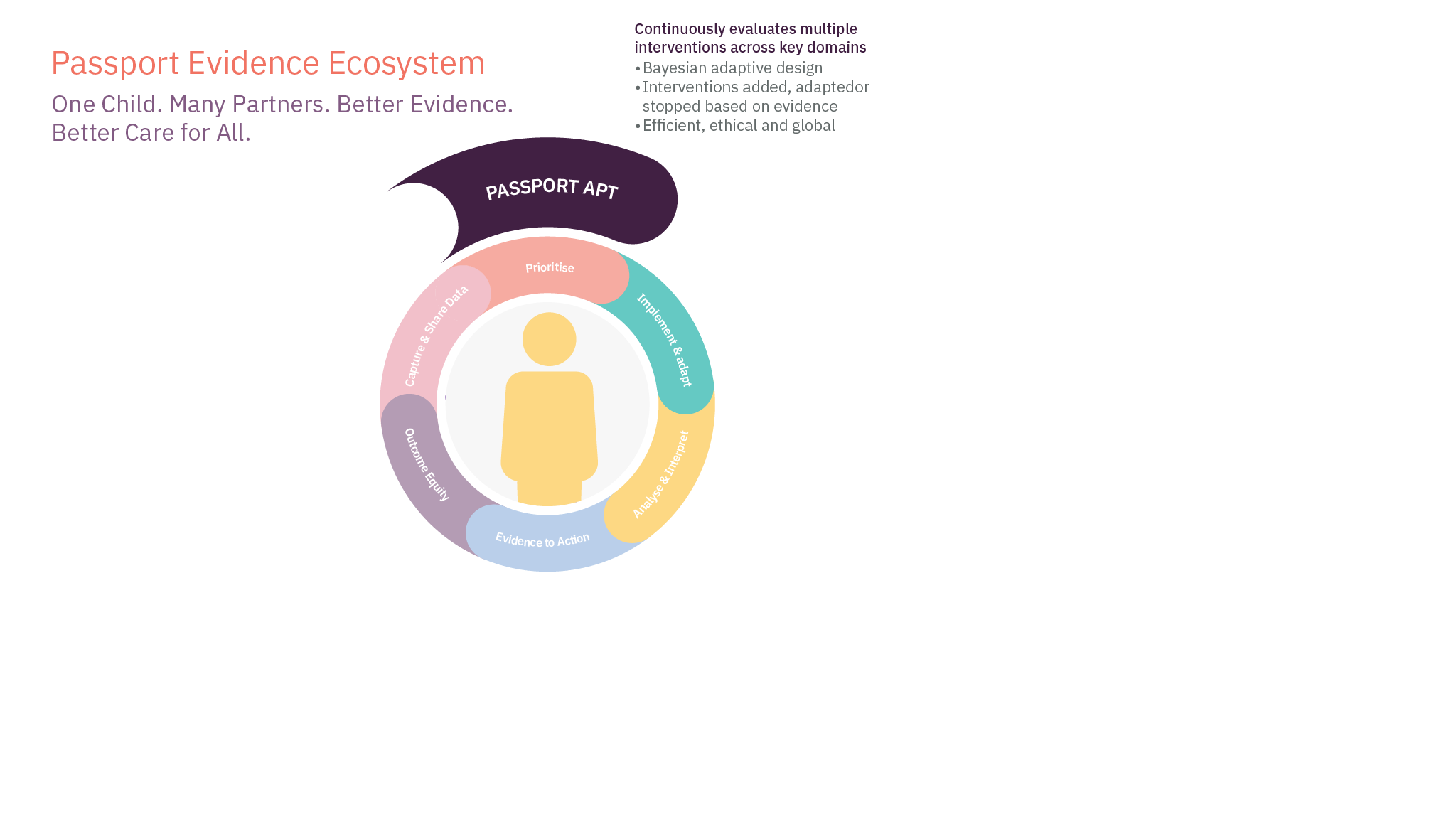
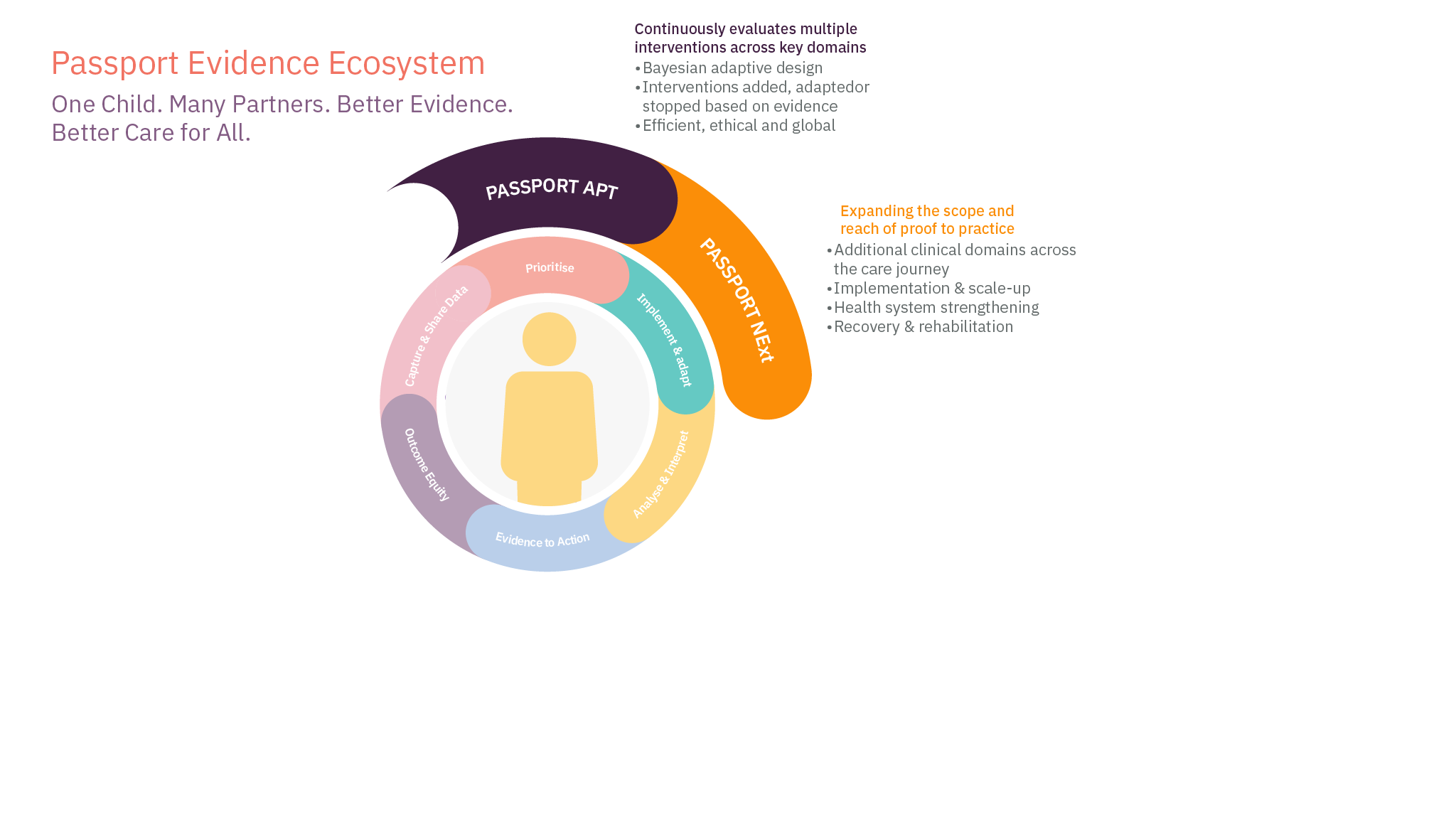
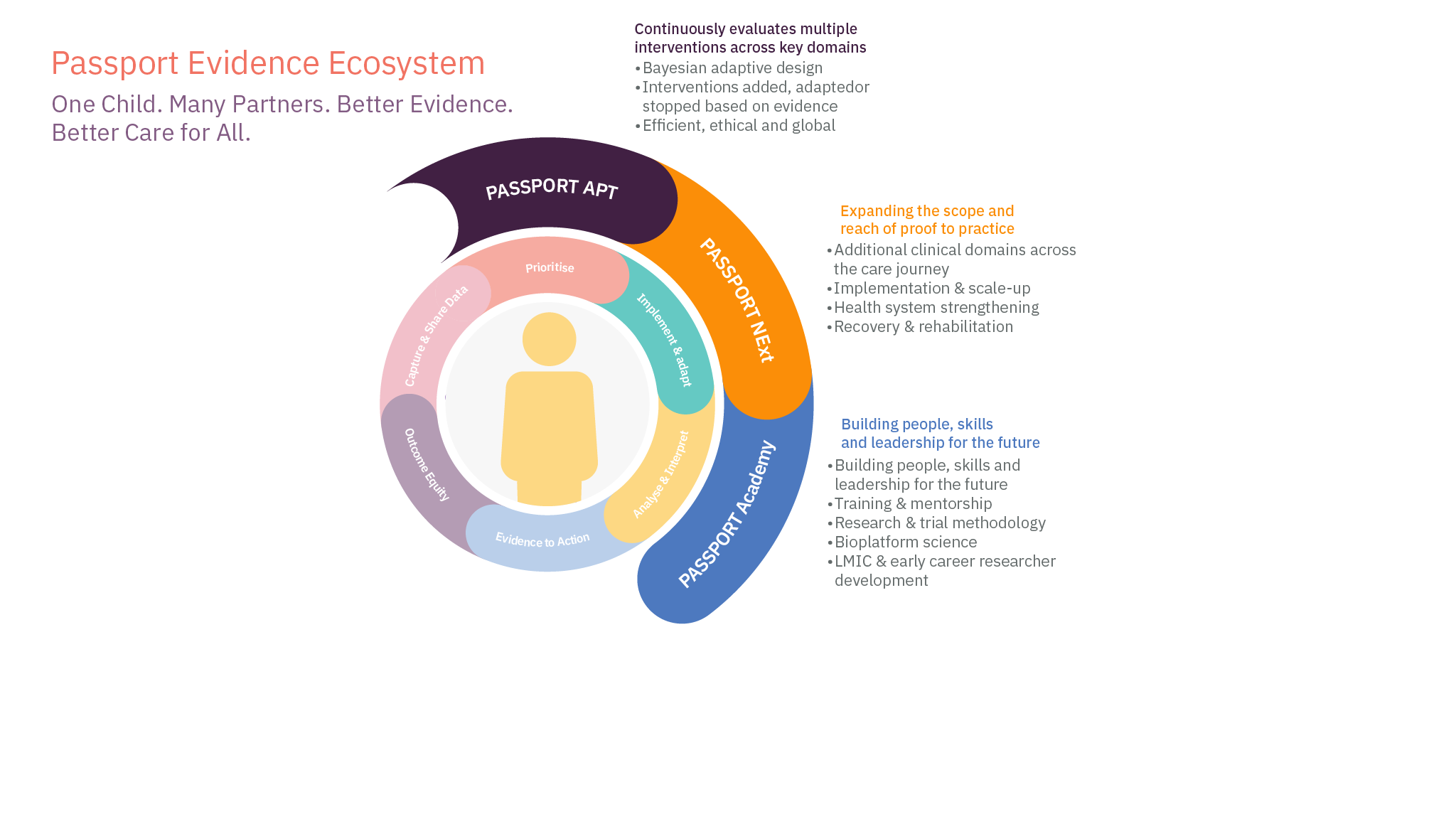
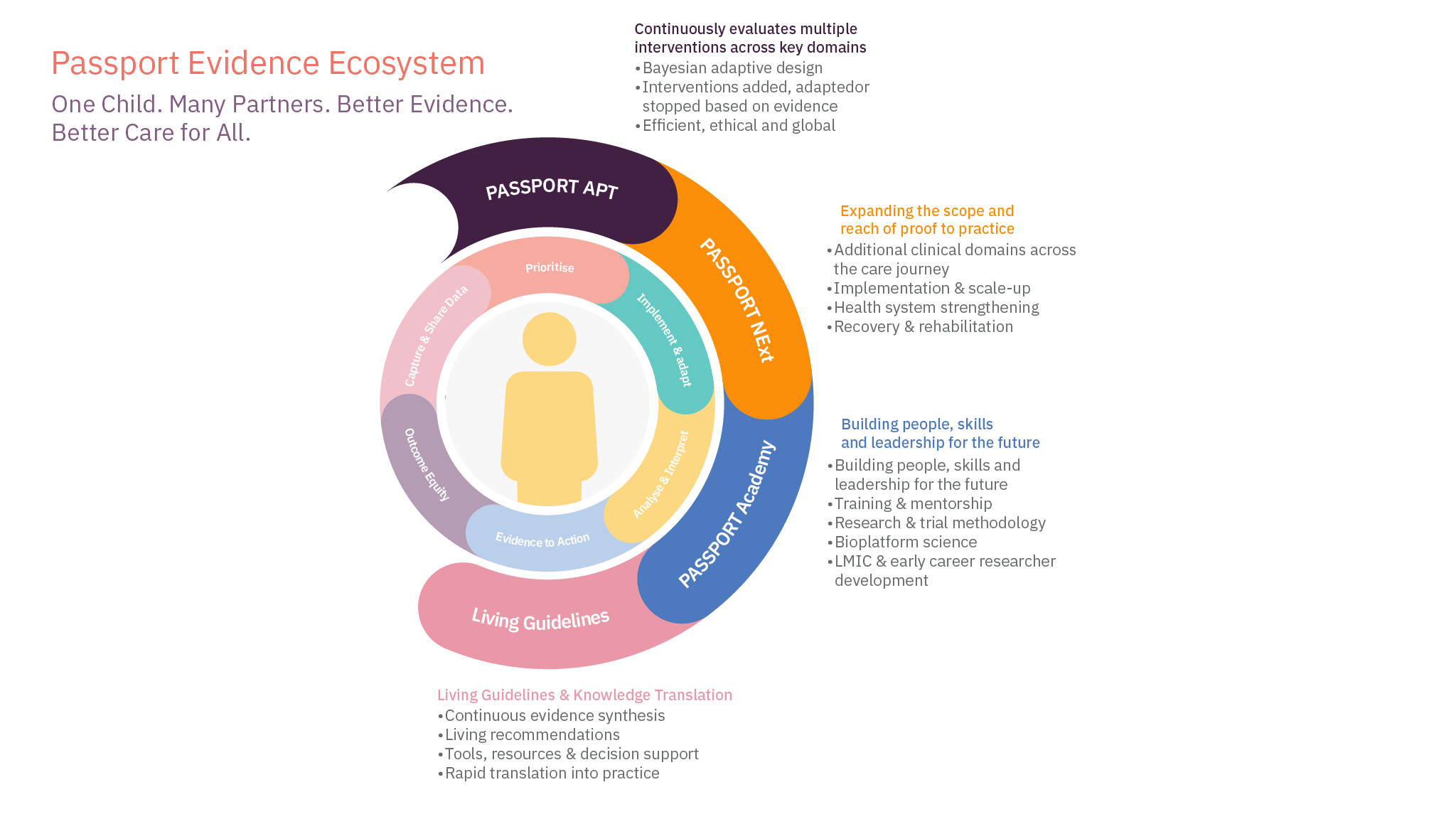
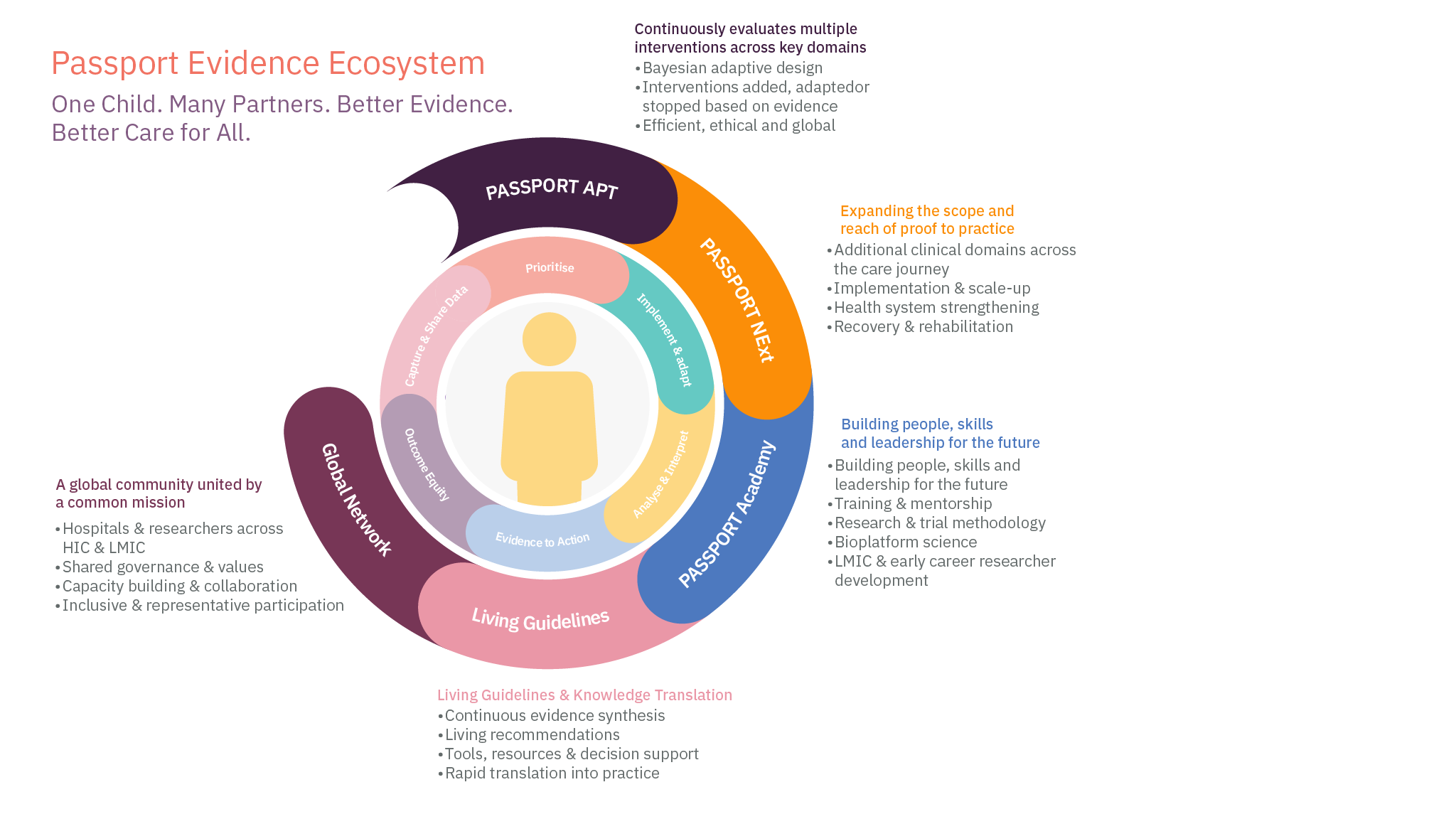
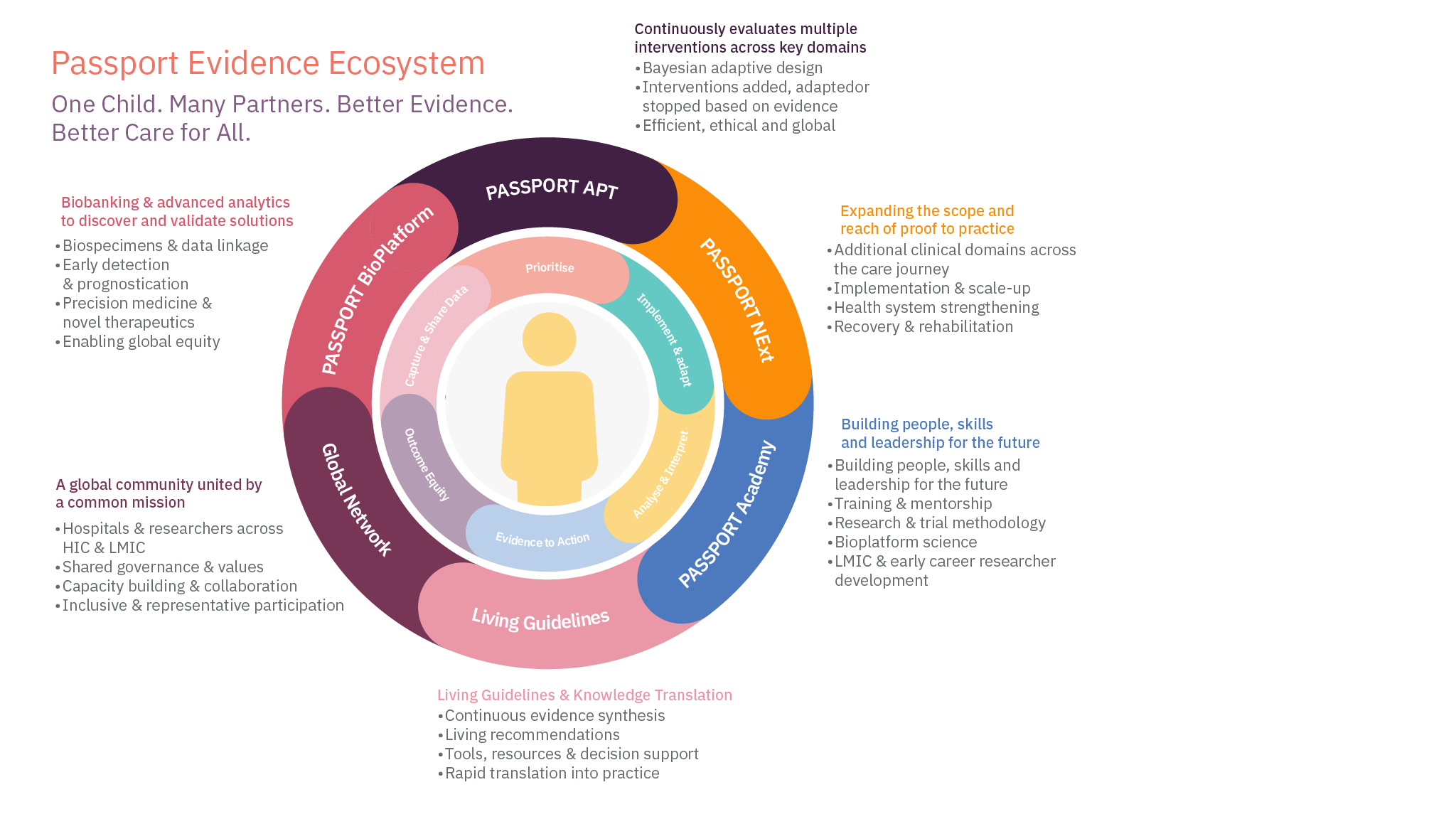
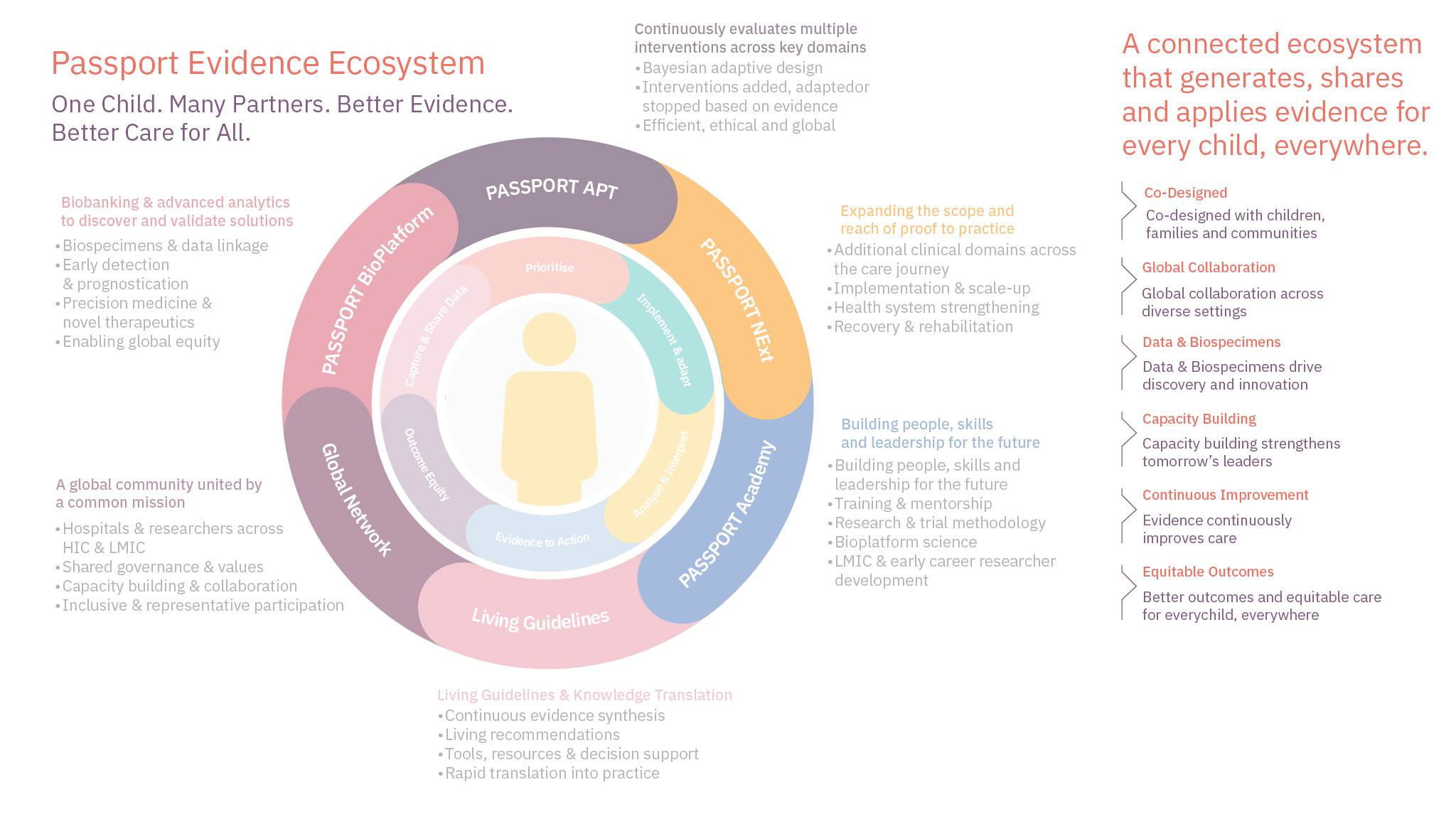
The trial sits at the centre of a wider programme with one aim: better evidence and better care for every child with sepsis.
PASSPORT trial: tests several treatments at once and adds or drops them as evidence builds.
PASSPORT Next: extends the trial along the whole patient journey, from recognition to recovery and rehabilitation.
PASSPORT Academy: trains clinicians and researchers, especially early-career researchers and those in low and middle income countries.
Living guidelines: turns results into treatment recommendations that are updated as new evidence arrives.
Global network: links hospitals and researchers in high-income and low and middle income countries under shared governance.
Background
Sepsis occurs when the body's response to an infection damages its own organs. It can become life-threatening within hours. Many survivors live with lasting physical, emotional or learning difficulties.
Children with sepsis receive many treatments at once: antibiotics, fluid through a drip, medicines to support blood pressure, breathing support and more. For most of these the evidence is thin. Most recommendations in the international paediatric guidelines of the Surviving Sepsis Campaign are weak and based on low-quality evidence. Some guidelines contradict each other. Fewer than half of children with sepsis receive care that follows them.
Some routine treatments may even do harm. The FEAST trial, which enrolled children in Africa, found that fluid boluses increased deaths. Fluid boluses remain standard practice in many hospitals.
Why a platform trial
A conventional trial asks one question. It takes years to set up, recruits a fixed number of patients and then closes. The next question starts from scratch. A platform trial keeps its data systems, governance and research teams in place, so each new question costs less time and money.
A conventional trial
Questions: one
Sample size: fixed in advance
When it stops: when it reaches its target
New treatments: need a new trial
Infrastructure: built and dismantled each time
PASSPORT
Questions: several at once
Sample size: guided by results as they accumulate
When it stops: as soon as there is a clear answer
New treatments: can be added while the trial runs
Infrastructure: kept and reused
PASSPORT is modelled on two successful platform trials, REMAP-CAP (pneumonia) and SNAP (Staphylococcus aureus bloodstream infection). Investigators from both have mentored the PASSPORT team.
Research priorities
More than 1,000 children, parents, carers and clinicians in 60 countries told us which questions about children's sepsis research should answer first.
PASSPORT ran a Priority Setting Partnership with the James Lind Alliance. The alliance is a non-profit initiative, hosted by the UK's National Institute for Health and Care Research, which has run more than 100 such partnerships. Patients, carers and clinicians have an equal say, and an independent adviser chairs the process.
How the top 10 was agreed
First survey: 607 people submitted questions they wanted answered. The team grouped them into six themes, removed duplicates and checked the rest against existing evidence.
Second survey: 405 people in 60 countries ranked a shortlist. Two-thirds were health professionals and one-third were patients, parents and carers. Some 44% lived in low and middle income countries.
Final workshop: on 7 and 8 September 2026, 11 consumers and 13 clinicians from Australia, France, Greece, India, Nigeria, the UK and the US ranked the 20 remaining questions in four mixed groups. All four groups put the same question first.
The partnership covered children and young people aged one week to 18 years, in every setting and country. Newborn and preterm babies were outside its scope.
-
What diagnostic tools, including biomarkers, point-of-care tests and early warning scores, most reliably identify sepsis in children?
How can health services set up clear, consistent paediatric sepsis pathways so children are identified and treated quickly and receive the right care throughout recovery?
How can paediatric sepsis care be delivered effectively in rural, regional and resource-limited settings, including before hospital care and through virtual health?
How can paediatric sepsis be reliably identified in low-resource settings and in low and middle income countries?
How can sepsis in children be picked up at its early stages by parents or doctors to avoid missed or delayed diagnosis?
How can parental concern be incorporated into tools for identifying sepsis early in children?
How can paediatric sepsis be distinguished from a simple febrile illness or less severe infection?
What clinical criteria, signs and symptoms should be used to recognise paediatric sepsis at first point of care or contact?
What are the risk factors for the longer-term impacts of sepsis, also known as post-sepsis syndrome, including psychosocial, emotional and neurodevelopmental effects?
What rapid diagnostic methods can improve early and accurate identification of the causative organism in paediatric sepsis?
-
Description text goes here
What the list tells us
Seven of the ten are about recognising sepsis earlier and more reliably. Two concern how health services organise care, and both ranked above every question about drugs. One addresses life after sepsis, which made the list largely because families pushed for it. Every question on antibiotics and vasoactive medicines ranked 11th or lower.
What happens next
The top 10 was launched in 2026 at the Asia Pacific meeting of the World Federation of Pediatric Intensive and Critical Care Societies in Melbourne. A full report and a plain-language summary for families will follow within six months. The priorities will shape PASSPORT's future studies. The first two, on fluids and vasoactive medicines, were planned before the partnership finished.
Steering group
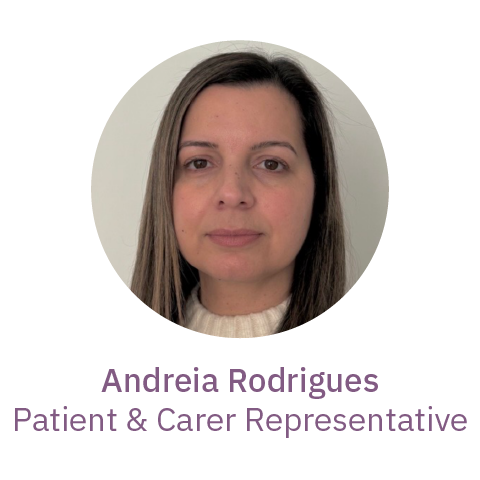
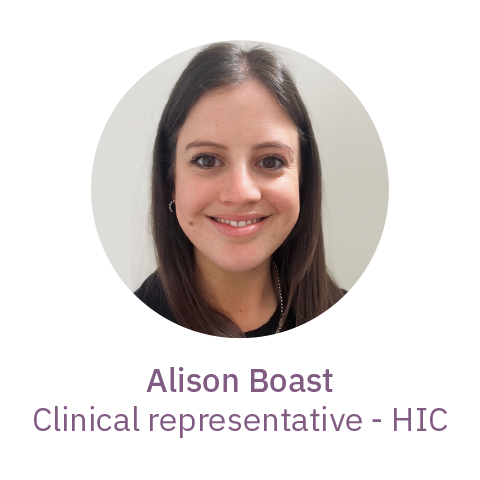
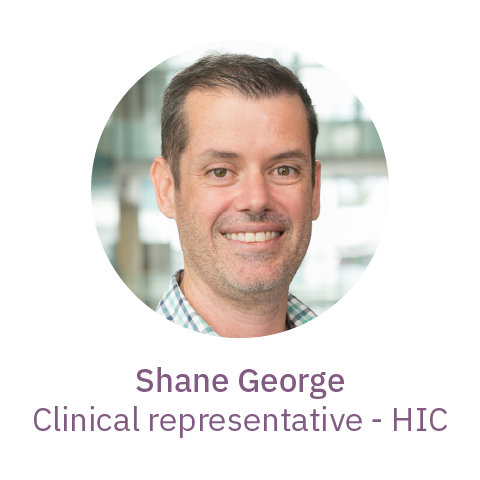
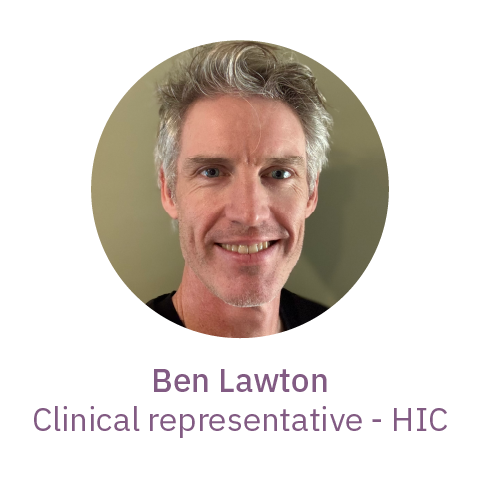
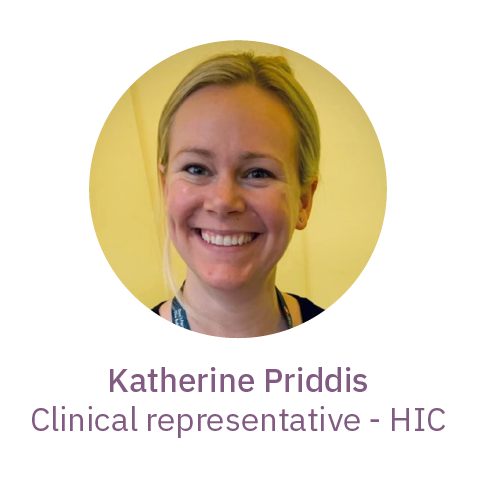
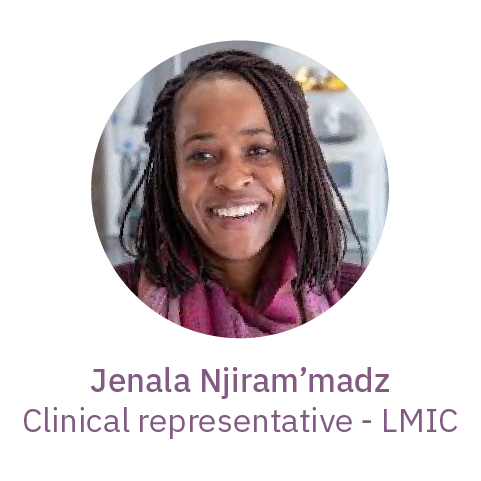
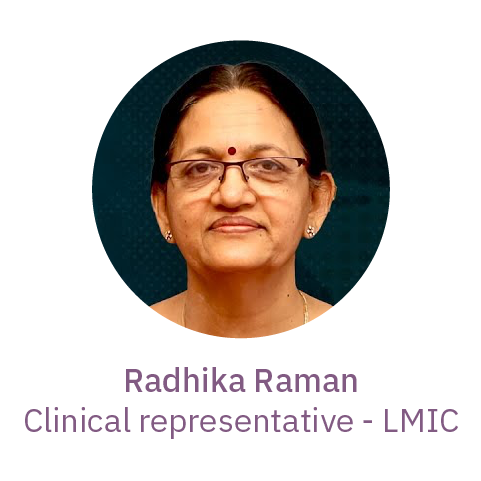
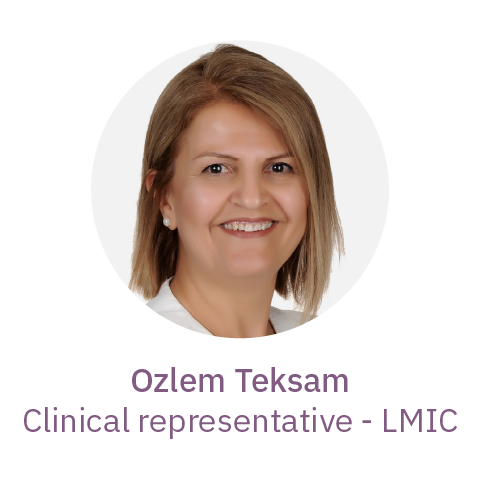
Leadership & Governance
Trial leadership
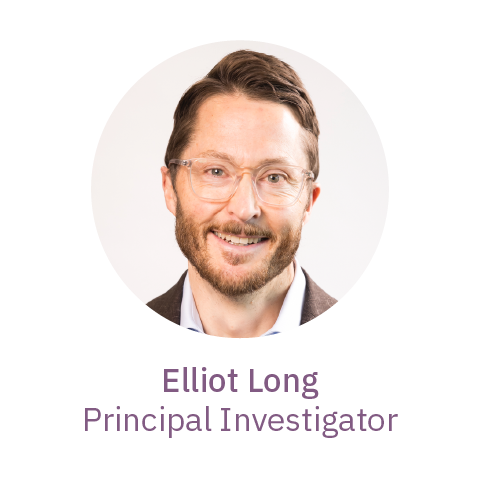
Associate Professor Elliot Long: coordinating principal investigator. Royal Children's Hospital, Murdoch Children's Research Institute and University of Melbourne
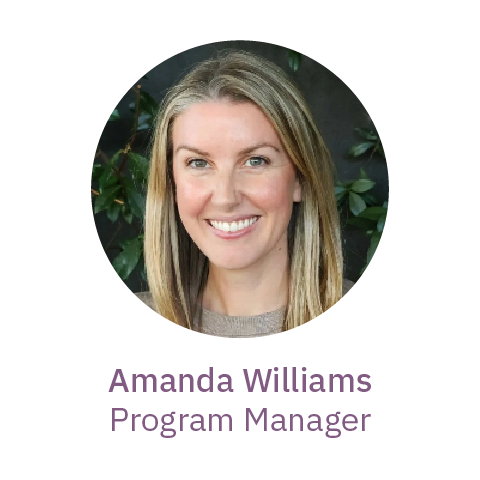
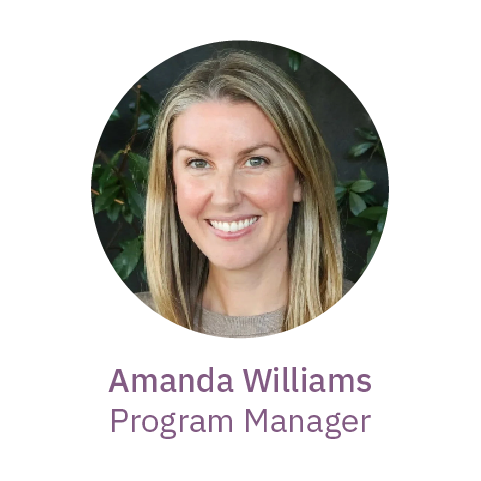
Amanda Williams: global trial programme manager, Murdoch Children's Research Institute
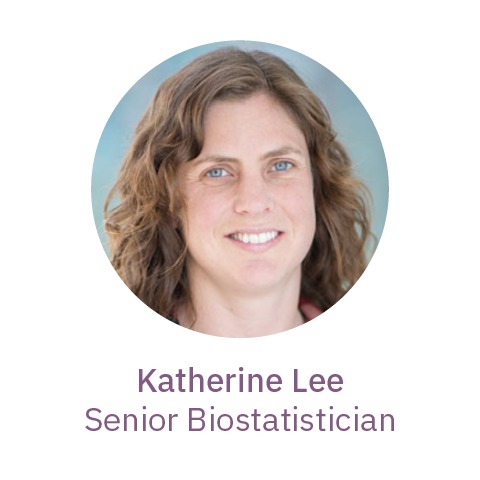
Professor Katherine Lee: senior biostatistician, Murdoch Children's Research Institute
How the trial is governed
Global Trial Steering Committee: takes overall responsibility for the trial. It has an independent chair and includes regional and study leads, statisticians, a representative of Murdoch Children's Research Institute and consumers.
Global Trial Management Group: runs the trial day to day.
Regional steering committees and management groups: run the trial in each region, approve sites and secure local funding.
Domain working groups: design and oversee each study.
Data and Safety Monitoring Committee: independent experts who see results by treatment group and recommend when a study should stop or change.
Safety Committee: has an independent chair and oversees safety reporting across the trial.
Statistical Advisory Committee: advises on trial design and statistical methods.
Consumer Engagement Committee: brings the views of people with lived experience to every part of the trial. Its chair has lived experience of paediatric sepsis and sits on the steering committee.
Six working groups also advise the trial: health economics; long-term follow-up; data management; translational science and biomarkers; safety oversight; and knowledge translation and implementation.
The PASSPORT team
Elliot Long: Principal investigator
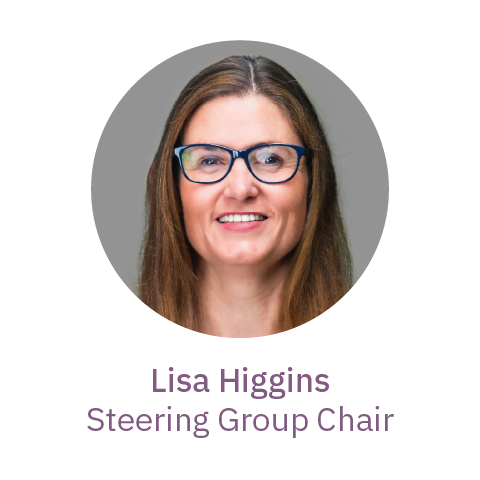
Lisa Higgins: Steering Group Chair
Amanda Williams: Program Manager
Katherine Lee: Senior Biostatistician
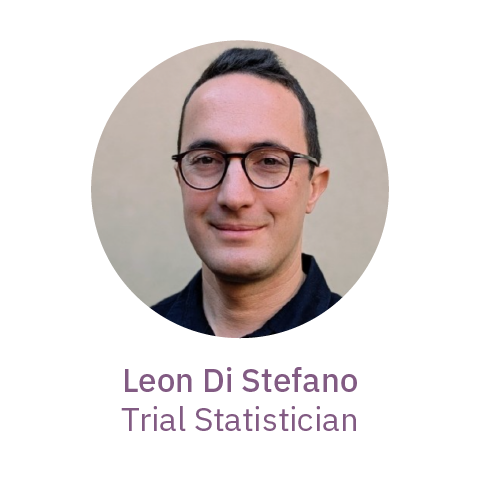
Leon Di Stefano: Trial Statistician
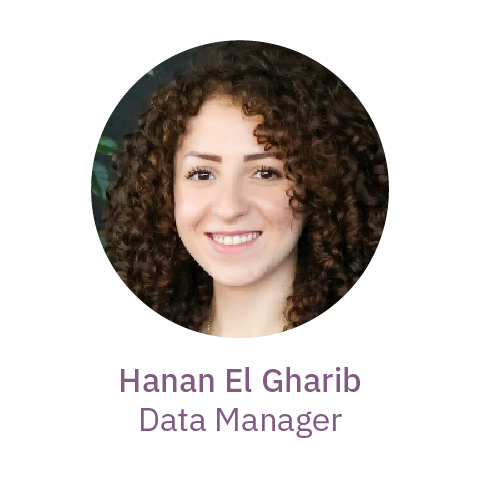
Hanan El Gharib: Data Manager
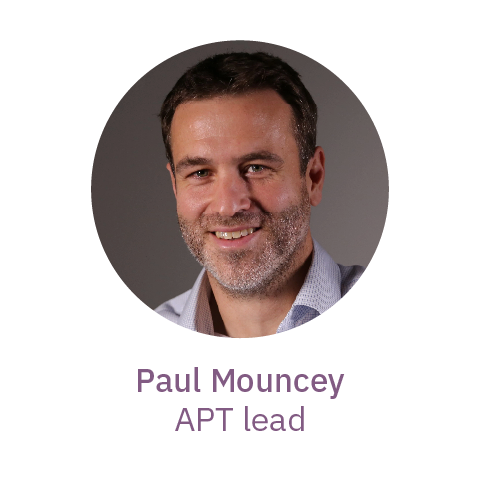
Paul Mouncey: Adaptive Platform Trial Lead
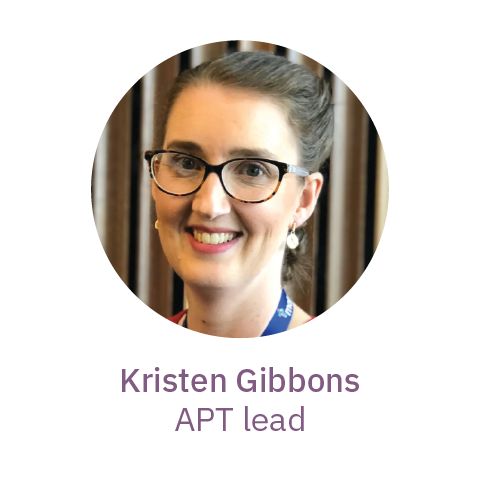
Kristen Gibbons: Adaptive Platform Trial Lead
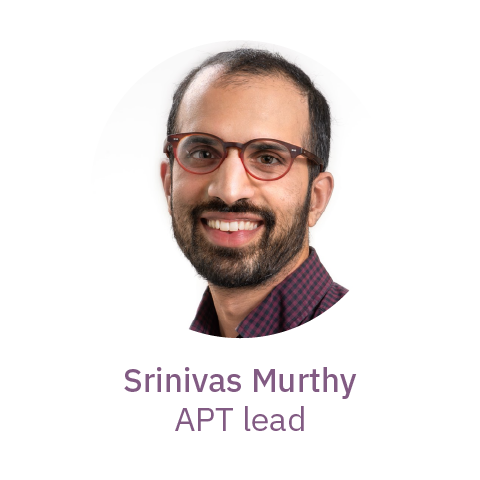
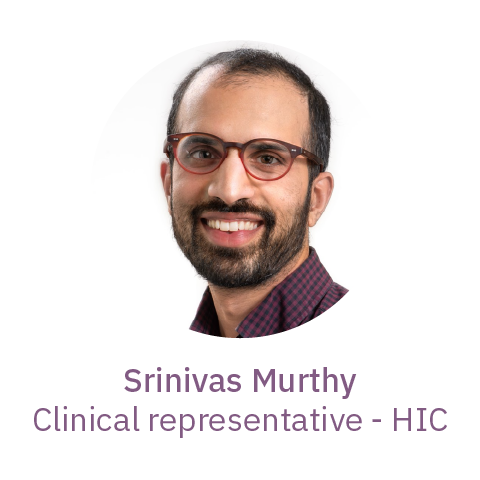
Srinivas Murthy: Adaptive Platform Trial Lead
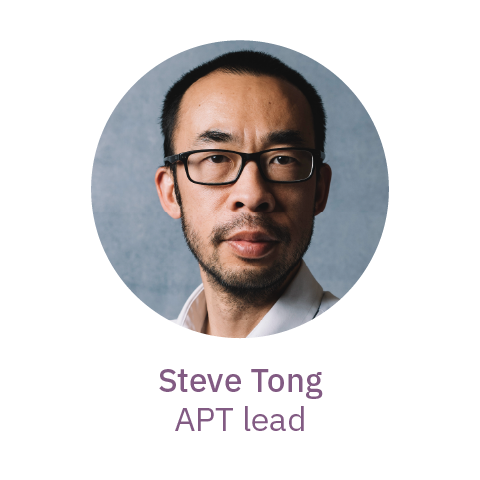
Steve Tong: Adaptive Platform Trial Lead
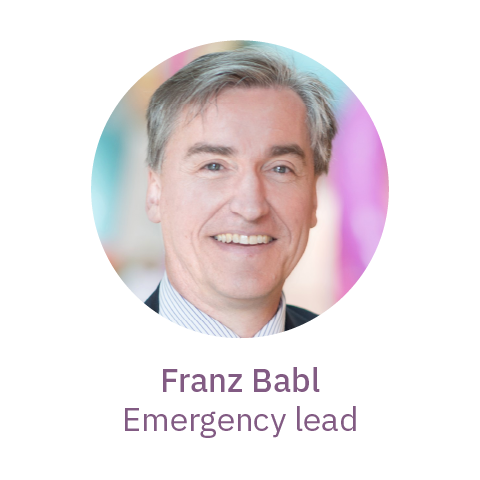
Franz Babl: Emergency lead
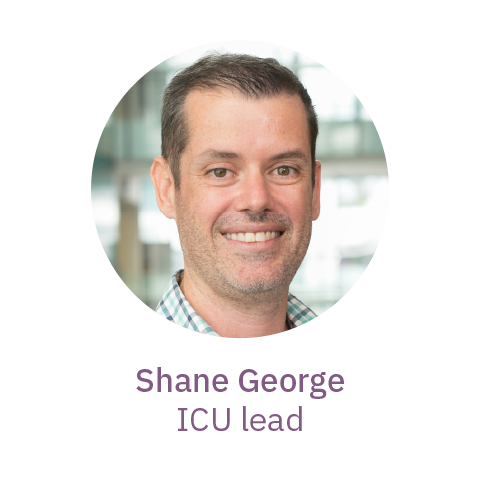
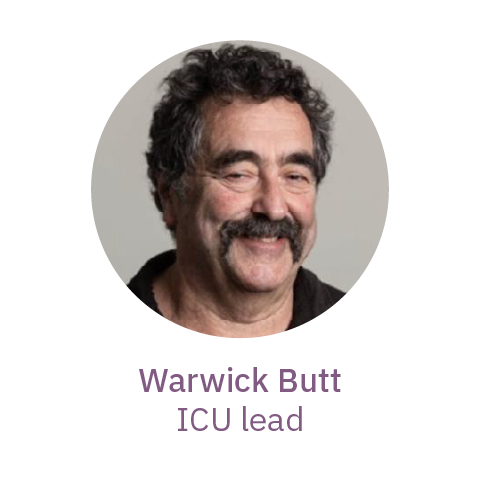
Shane George and Warwick Butt: Intensive Care Leads
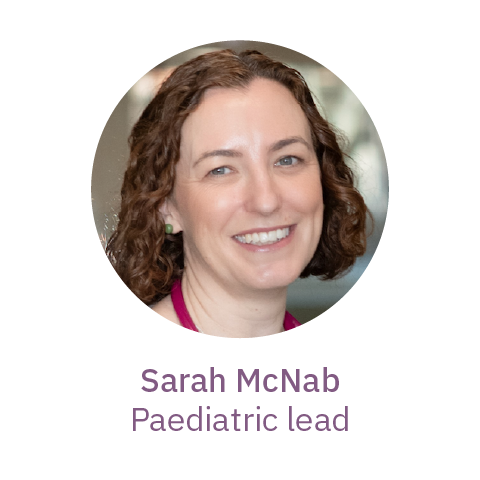
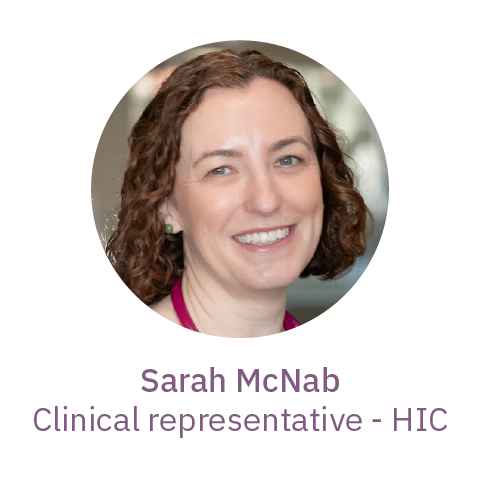
Sarah McNab: Paediatric Lead
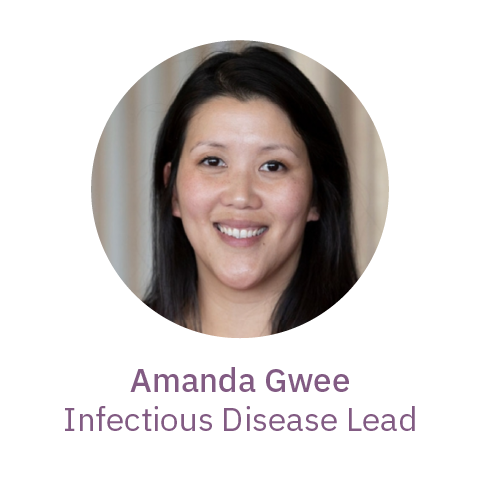
Amanda Gwee: Infectious Diseases Lead
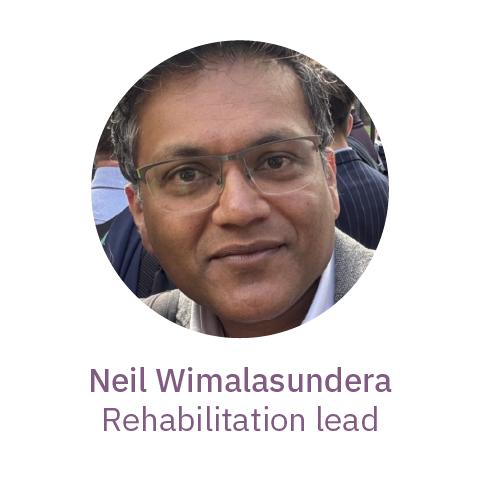
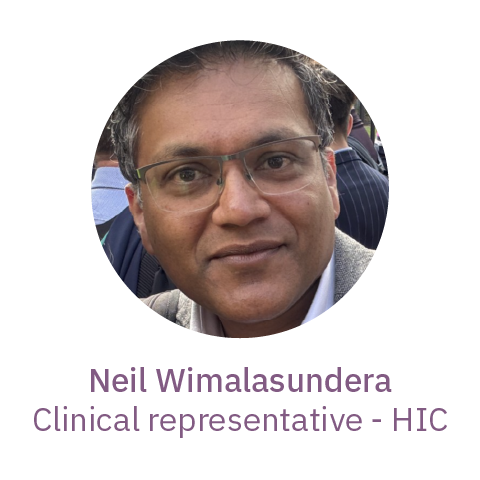
Neil Wimalasundera: Rehabilitation Lead
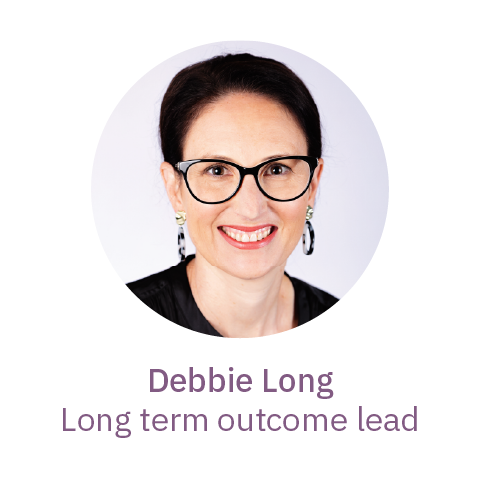
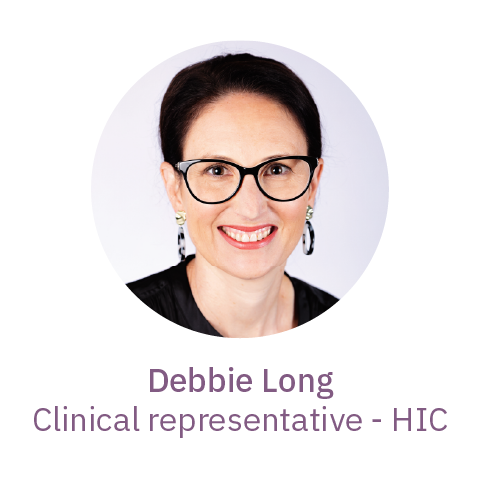
Debbie Long: Long-term Outcomes Lead
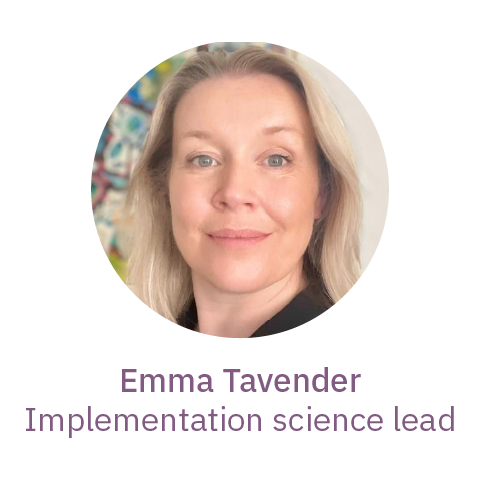
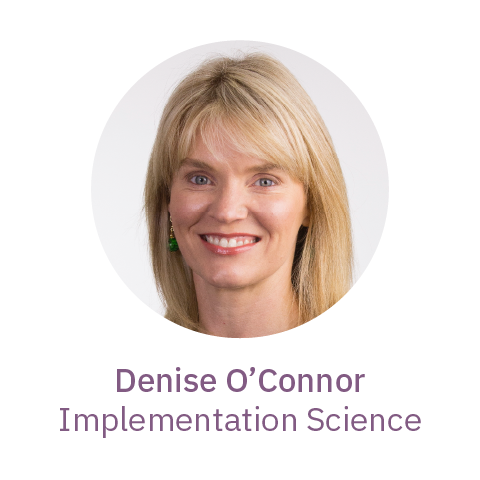
Emma Tavender and Denise O'Connor: Implementation Science
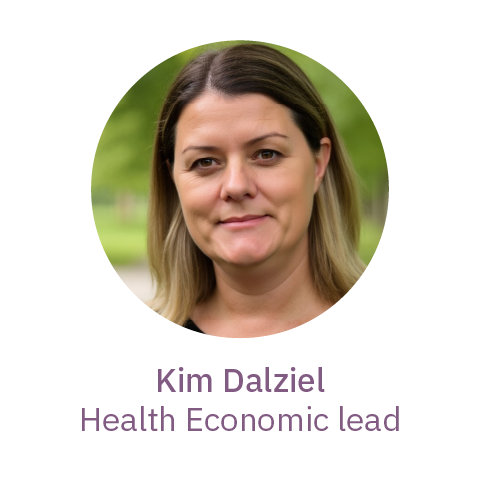
Kim Dalziel: Health Economics lead
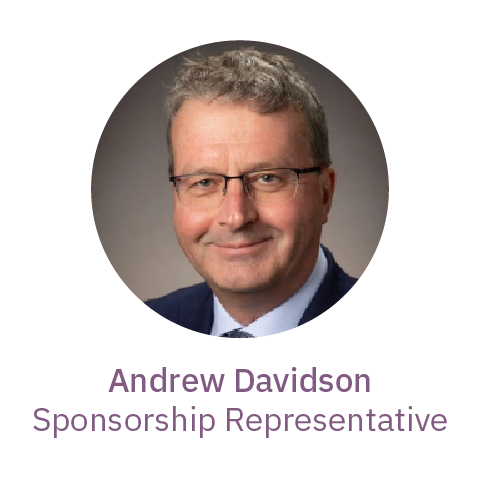
Andrew Davidson: Representative of Murdoch Children's Research Institute
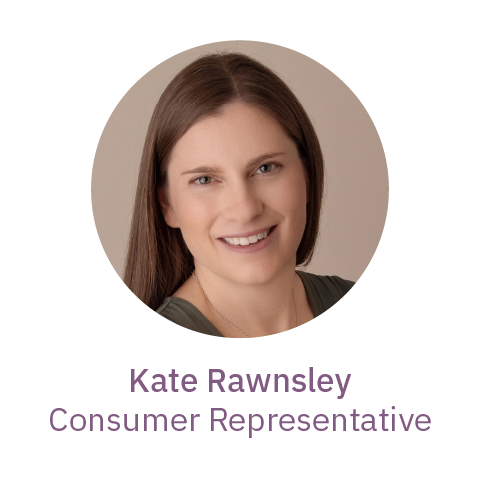
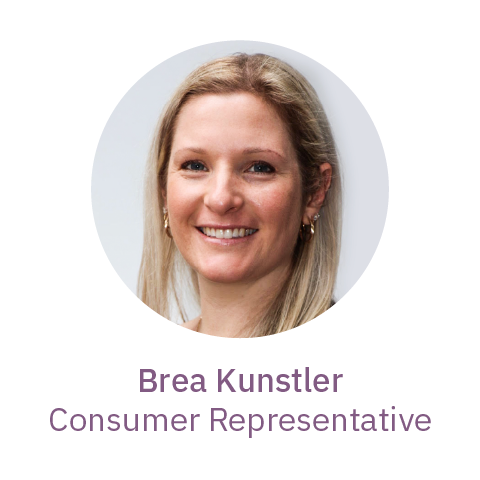
Kate Rawnsley and Brea Kunstler: Consumer representatives
Regional leads
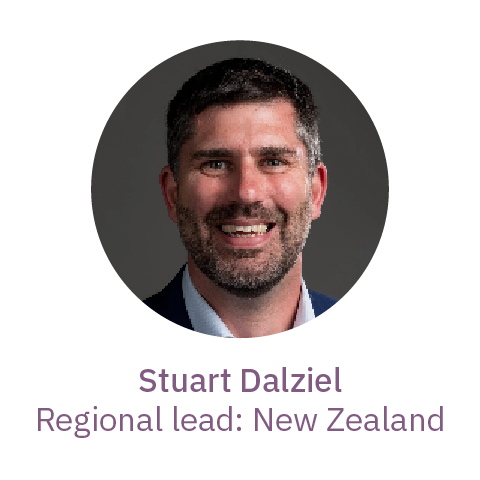
New Zealand: Stuart Dalziel
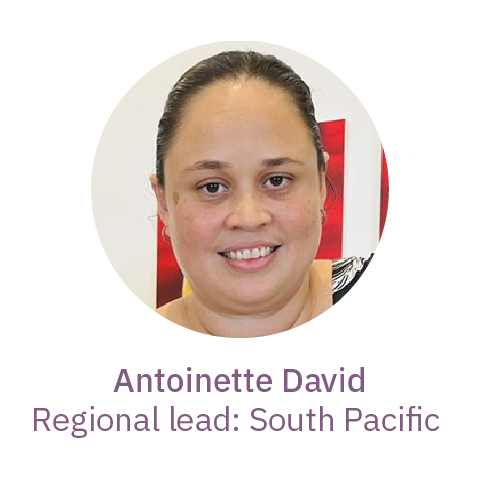
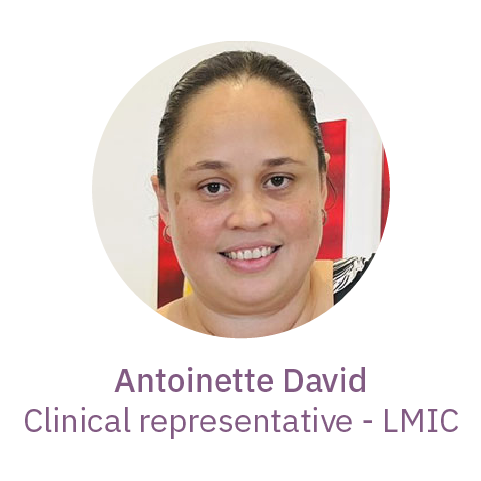
South Pacific: Antoinette David
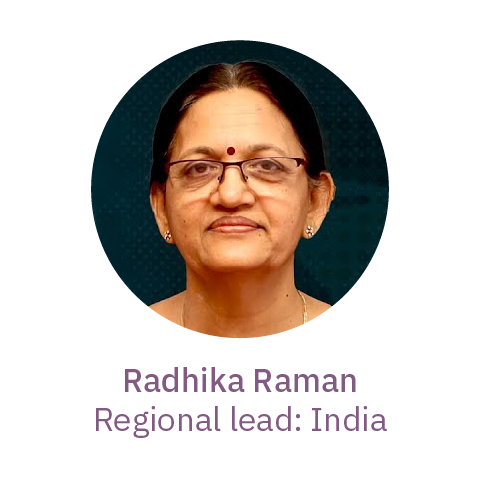
India: Radhika Raman
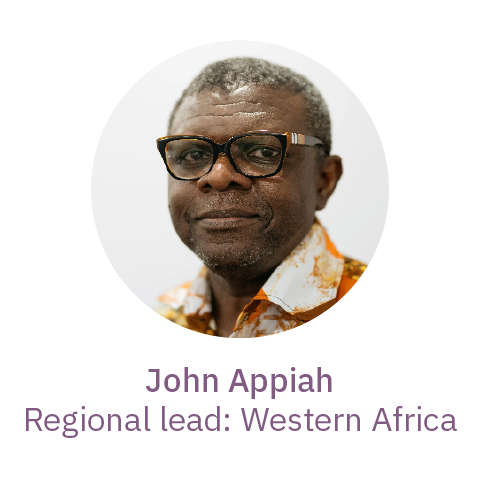
Western Africa: John Appiah
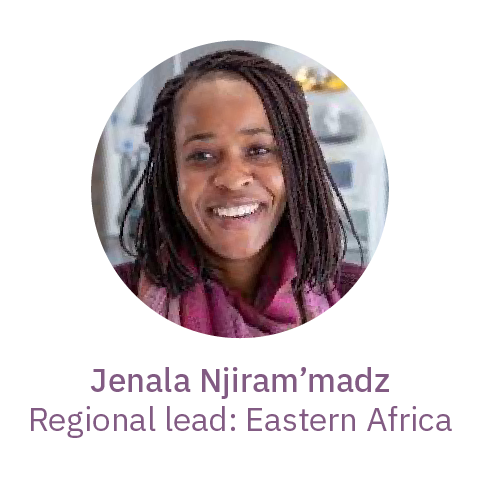
Eastern Africa: Jenala Njiram'madz
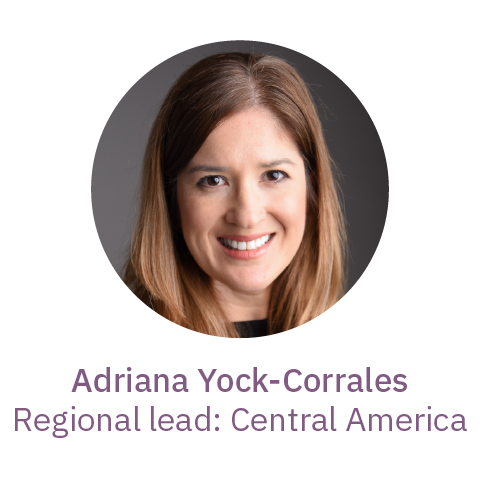
Central America: Adriana Yock-Corrales
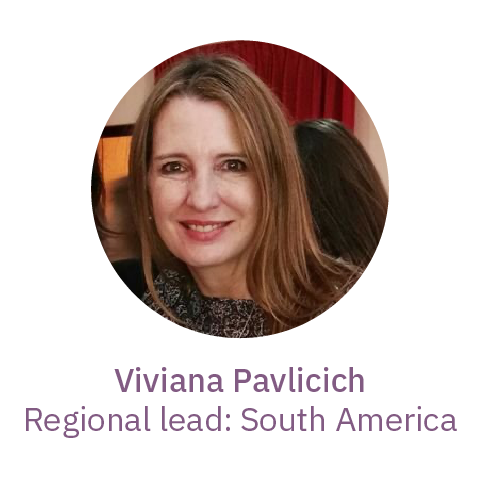
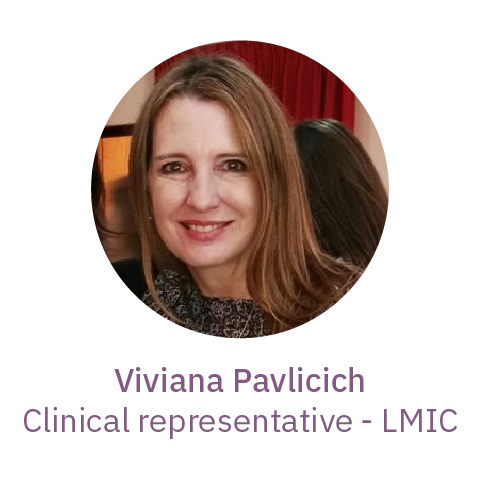
South America: Viviana Pavlicich
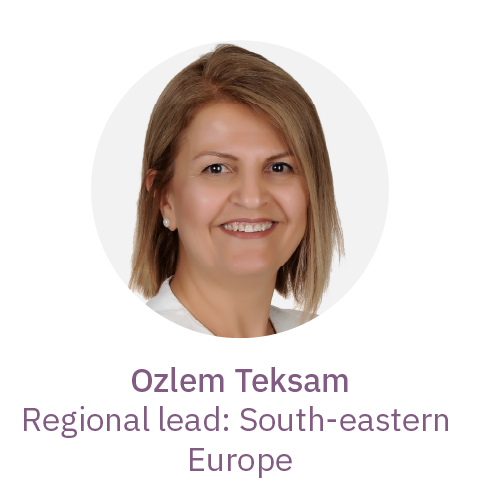
South-eastern Europe: Ozlem Teksam
Declarations of interest: every committee member declares any interest that could influence, or appear to influence, the trial. The register is updated each year. [Link to register]
Partners
PASSPORT brings together hospitals, research institutes, clinical networks, funders and families.
Led by
Murdoch Children's Research Institute
Partner institutions
The Royal Children's Hospital, Melbourne
University of Melbourne
Funders
Medical Research Future Fund, Innovative Trials grant, 2026–30
Medical Research Future Fund, Clinical Trial Enabling Infrastructure grant, 2027–32
Royal Children's Hospital Foundation, 2024–27
Collaborators
PREDICT (Paediatric Research in Emergency Departments International Collaborative)
James Lind Alliance, for the research priority-setting partnership
REMAP-CAP and SNAP investigators, for mentoring
[Participating hospitals and international networks: add as confirmed]
