
A landmark moment for paediatric sepsis research.
PASSPORT Clinical Lead A/Prof Elliot Long presented results from the PRoMPT BOLUS trial at the Pediatric Academic Societies Conference in Boston this weekend, with simultaneous publication in the New England Journal of Medicine. The largest pragmatic trial of fluid resuscitation in children with septic shock, enrolling more than 9,000 patients across five countries, the study delivered a definitive answer to one of the most debated questions in paediatric emergency medicine – and received a standing ovation from the plenary audience.
Last weekend at the Pediatric Academic Societies (PAS) Conference in Boston, A/Prof Elliot Long, lead investigator of the PASSPORT Adaptive Trial, presented results from the PRoMPT BOLUS trial along with the lead investigators, published simultaneously in the New England Journal of Medicine.
PRoMPT BOLUS is the largest trial ever conducted in critically unwell children. This pragmatic trial compared fluid types used for resuscitation in children with septic shock, enrolling more than 9,000 patients across 47 emergency departments in five countries: Australia, New Zealand, the United States, Canada, and Costa Rica. PASSPORT Steering Committee members Amanda Williams and Prof Franz Babl were among the co-authors, and together with A/Prof Elliot Long led the study in Australia and New Zealand.
The trial found no significant difference in the incidence of death, renal-replacement therapy, or persistent kidney dysfunction between balanced fluids and 0.9% saline, definitively answering a question that has long divided clinicians. This landmark study provides clear evidence that will inform the management of children with septic shock globally. It also provides a framework for international collaboration, engagement and inclusivity that will be modelled by PASSPORT.
The presentation took place in a special plenary session and was met with a standing ovation, something rarely witnessed at a scientific meeting of this kind.
As co-author Prof Nathan Kuppermann (US) reflected: "I think the audience appreciated the great collaborative effort between everyone, the engagement with all sites and investigators, the international collaboration as a push back on isolationism, and of course the Herculean scientific efforts."
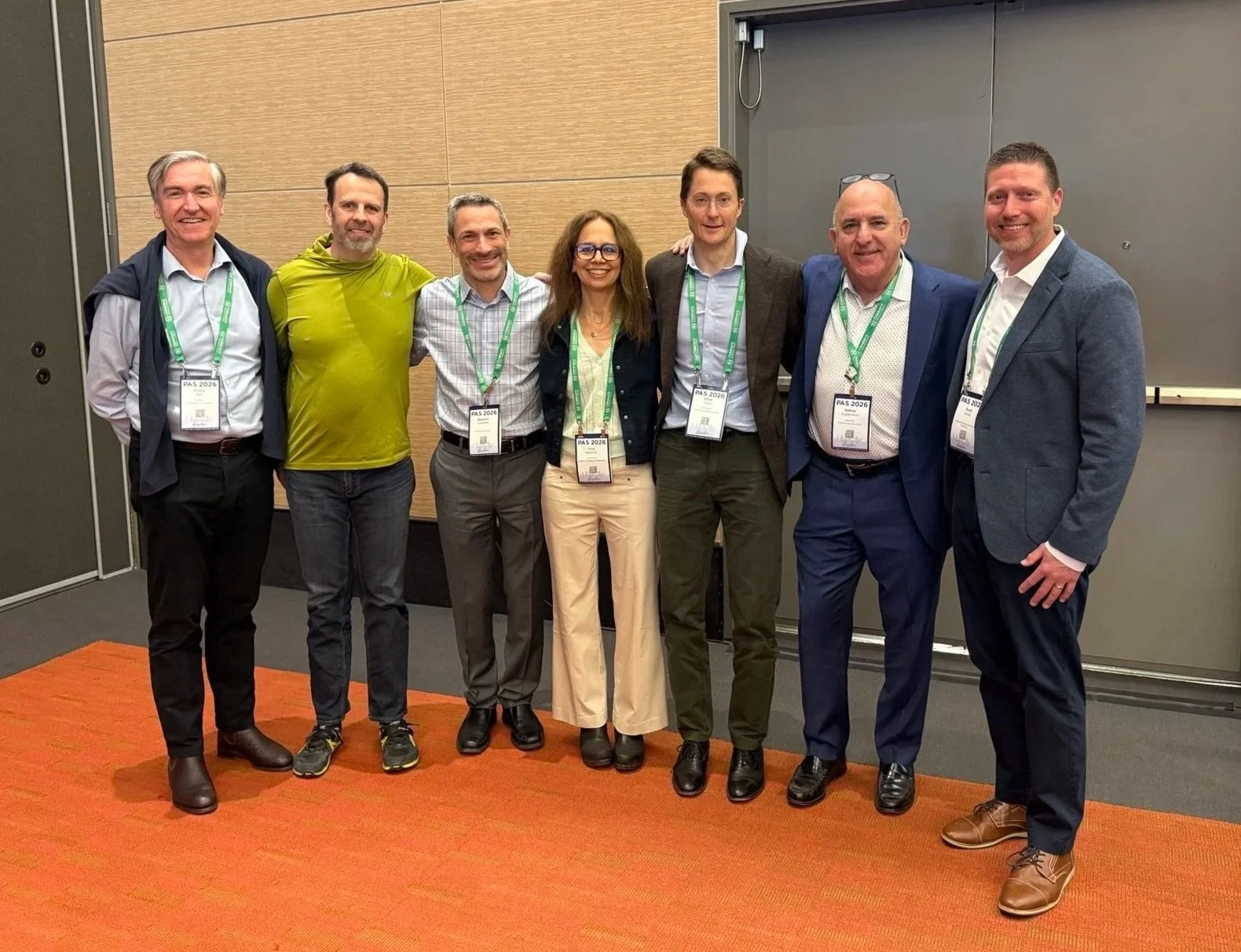
From L to R: Prof Franz Babl, Dr Graham Thompson (Canada), Prof Stephen Freedman (Canada), A/Prof Fran Balamuth (US), A/Prof Elliot Long, Prof Nathan Kuppermann (US), A/Prof Scott Weiss (US).
Congratulations to A/Prof Long, Amanda Williams, Prof Babl and all the investigators and sites across the PECARN, PERC, and PREDICT networks who made this work possible.

Shaping the Future of Paediatric Sepsis Research
The Paediatric Sepsis Research Priority Survey is inviting global participation to help identify key research areas in paediatric sepsis. This initiative aims to shape future studies and improve outcomes for children affected by sepsis worldwide. By contributing, patients, parents, carers and health care professionals can influence the direction of critical research to better understand and treat this serious condition in children.
Every year, an estimated 25.2 million children worldwide are diagnosed with sepsis — with 3.4 million tragically losing their lives. Sepsis remains one of the most urgent and devastating health challenges facing children globally.
To change this, a new initiative is underway: the Paediatric Adaptive Sepsis Platform Trial (PASSPORT). This groundbreaking trial is being designed to test multiple treatments for paediatric sepsis under a single, adaptive platform. By using cutting-edge trial methods, PASSPORT will:
Evaluate several treatments at the same time
Adapt based on results in real time, so children always receive the best evidence-based care
Accelerate the discovery of effective therapies for critically ill children
The trial will begin in 2027, enrolling children aged 1 month to 18 years across Australia and New Zealand, before expanding to include sites around the world.
Hear from members of our PSP Steering Group:
But what research questions are most important?
Before PASSPORT begins, we want to ensure that the research focuses on the questions that matter most to those affected by sepsis: patients, parents and carers, and health care professionals.
That’s why we’re partnering with the James Lind Alliance to run a Research Priority Survey. The survey will identify the top unanswered questions about paediatric sepsis and guide the PASSPORT trial to address them.
By taking part, you can help shape the future of sepsis research — ensuring the trial delivers answers that will truly improve outcomes for children.

Get involved
📅 The Research Priority Survey launches just in time for World Sepsis Day — Saturday 13 September.
Follow us on socials and share the survey
Together, we can reduce the global burden of paediatric sepsis and save young lives.