
Our final workshops are done, and paediatric sepsis has a Top 10
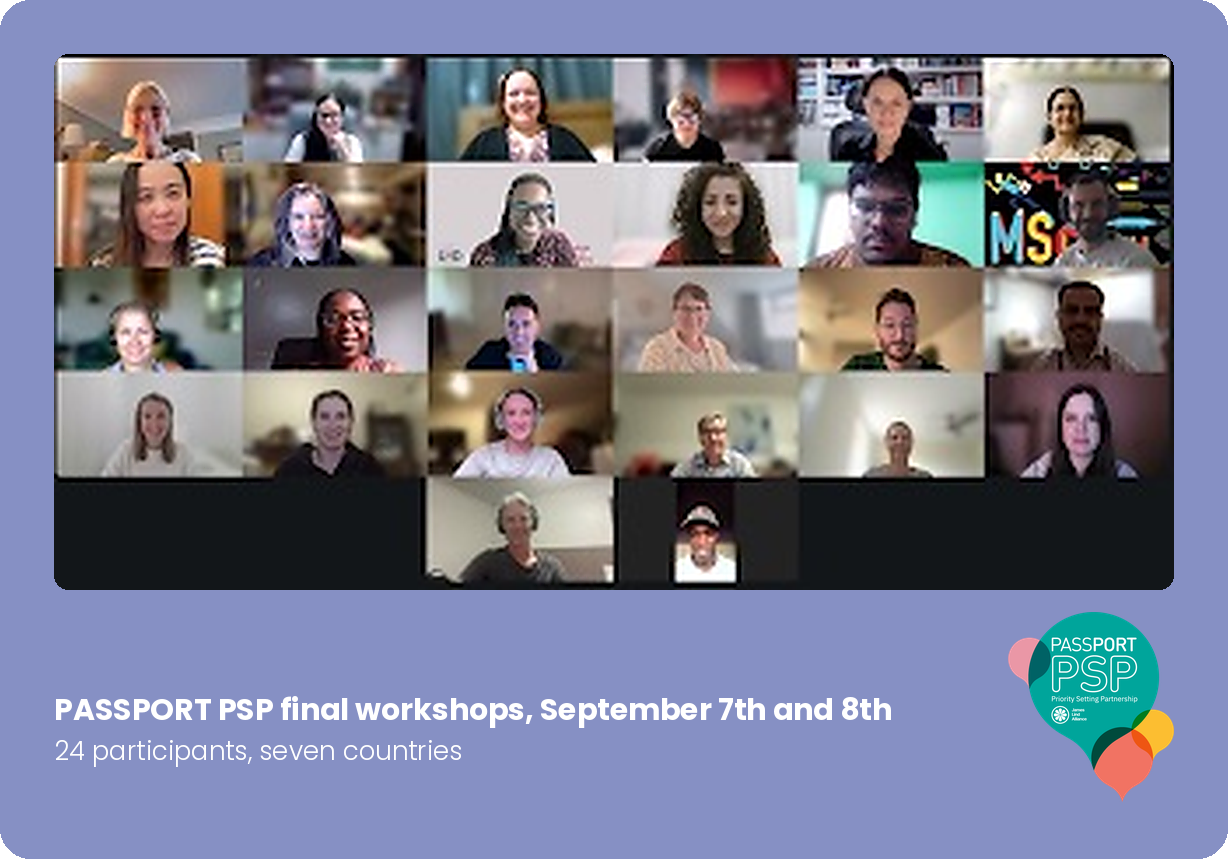
Twenty-four people from seven countries met across two half-day sessions to rank the research questions that matter most in childhood sepsis. The results will be presented at a world congress in Melbourne later this month
Twenty-four people from seven countries met across two half-day sessions to rank the research questions that matter most in childhood sepsis. The results will be presented at a world congress in Melbourne later this month.
The PASSPORT Priority Setting Partnership held its final workshops online on September 7th and 8th. Participants ranked a shortlist of 20 research questions drawn from earlier surveys, first in small groups and then as one. The result is a Top 20, and within it a Top 10. The questions near the top return to three things that ran through both surveys: recognising sepsis earlier, closing the gap for children furthest from specialist care and post sepsis care recovery and rehabilitation.
Dr Tom Solan, co-clinical lead of the partnership, will present the results at WFPICCS 2026, the World Congress of the World Federation of Pediatric Intensive & Critical Care Societies, held in Melbourne from September 26th to 30th. "Survivors, families and clinicians have told us which ten questions should be answered first," said Dr Solan. "The job from here is putting them in front of the people who fund and design research."
Eleven of the 24 participants were people with lived experience of childhood sepsis, among them parents and carers. The other 13 were clinicians working in research nursing, paediatric emergency medicine, infectious diseases, paediatric immunology, neonatology and clinical nurse consultancy. They joined from Australia, America, Greece, India, Nigeria, France and Britain, and two work as Médecins Sans Frontières paediatricians. Several practise in hospitals that lack the resources most sepsis research takes for granted.
"The range of experience in the room is what the James Lind Alliance (JLA) method is designed to produce, and it is also what made the ranking hard," said Associate Professor Elliot Long, co-clinical lead of the partnership. "The opinions and priorities each participant brought to the workshop were well thought out and represented their own particular background. Reaching a final ranking took a lot of respectful discussion and a lot of compromise, and the JLA facilitators kept those conversations on track."
"Our thanks go to everyone who took part, in the workshops and in the surveys that brought us here," said A/Prof Long.
The full list will be published on the PASSPORT website once the results appear in a peer-reviewed journal.

PASSPORT People: Meet A/Prof Elliot Long – Clinical Lead
A/Prof Elliot Long is an emergency physician at The Royal Children's Hospital and clinician-researcher at Murdoch Children's Research Institute. Growing up near the Rocky Mountains in Canada, he developed a love of the outdoors and a curiosity about the natural world that stays with him today – alongside a passion for clinical research and a determination to reduce the global burden of sepsis in children.
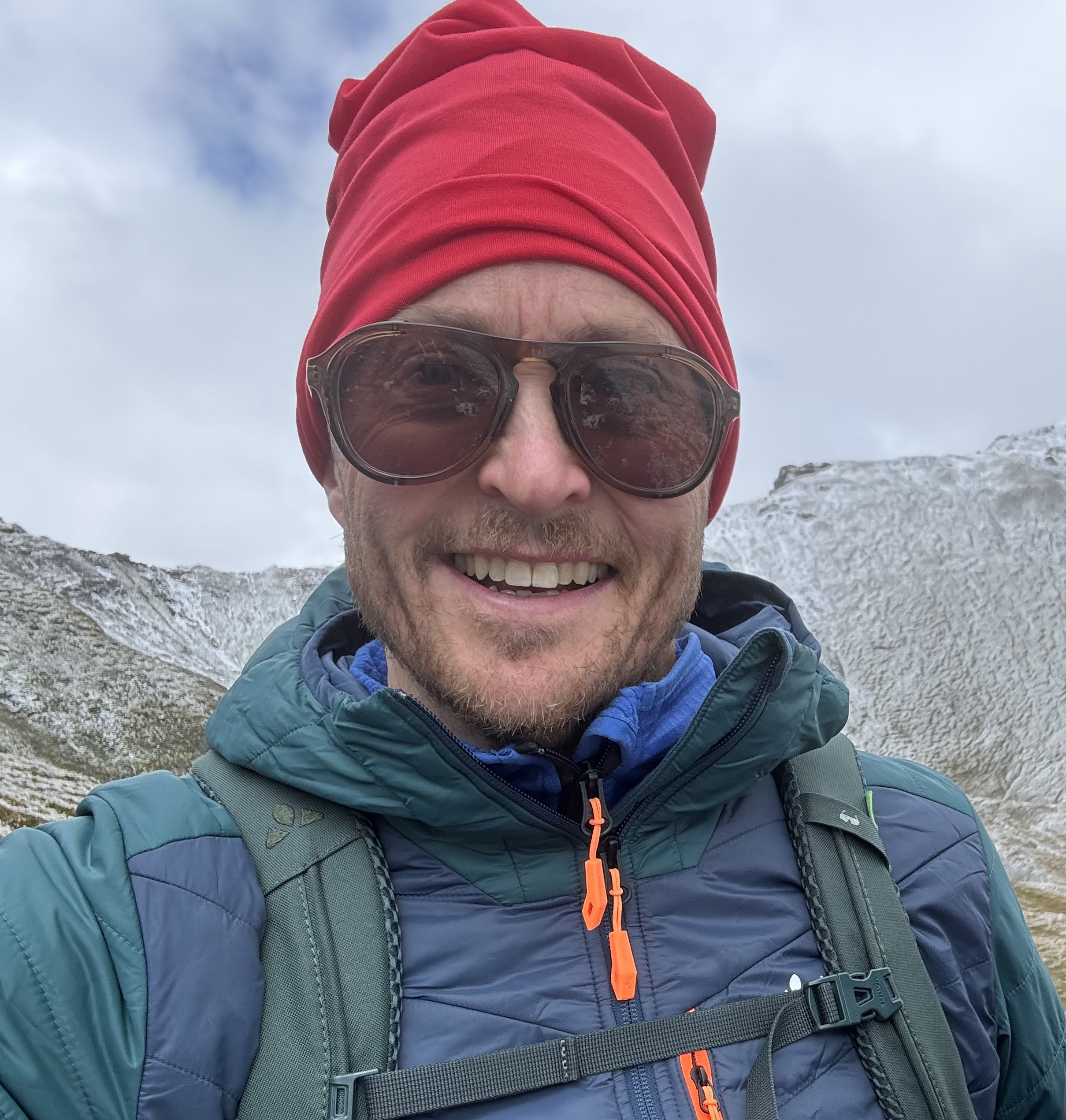
Emergency Physician, Royal Children’s Hospital Melbourne (Australia); Clinician-researcher at Murdoch Children’s Research Institute; and Beekeeper!
A/Prof Elliot Long is an emergency physician at The Royal Children's Hospital Melbourne and clinician-researcher at Murdoch Children's Research Institute, with an academic appointment at The University of Melbourne. Originally from the foothills of the Rocky Mountains in Canada, he moved to Australia as a young adult and after a brief stint as a critical care fellow in Vancouver, settled in Melbourne. A love of clinical work and teaching led naturally into research: "I have become involved in clinical research because of the many questions in critical care that need answers."
Meeting children, parents and families affected by sepsis has been one of the most formative parts of Elliot's work. "It has really opened my eyes to the broader impact and human cost of sepsis," he says. Hearing those stories shaped the scope of PASSPORT, which was designed to cover all aspects of sepsis care from hospitalisation through to recovery and rehabilitation.
Working in a well-resourced health system, Elliot sees early recognition as one of the most pressing challenges — sepsis is hardest to detect precisely when catching it early matters most. Once recognised, he is particularly motivated to find the best supportive treatments for children with sepsis. In the longer term, his ambition is precision medicine that targets the immune response in each individual patient.
Elliot's vision for PASSPORT is straightforward: to reduce the global burden of sepsis in children.
"To me, it is important to keep the focus on children and the impact of sepsis on their lives. I would like PASSPORT to be open and inclusive of anyone with a good research question, no matter what their background or experience. I would particularly like to foster emerging researchers and build capacity for high-quality research in under-resourced settings. This will help answer research questions in places where sepsis has the greatest impact on children and families."
Away from the hospital, Elliot is rarely sitting still. "I love the outdoors. I get out trail running, cycling, or hiking whenever I can. I am a big fan of active holidays, to the disappointment of my children. We recently hiked the Haute Route through the French and Swiss Alps — what an epic adventure!" He also keeps bees — a hobby his father introduced him to as a boy and one he's happily returned to as an adult. "I find bees fascinating both in terms of their social structure and their role in the natural world." And when he does sit down? "My favourite movie genre is coming of age, and it is not uncommon for me to shed a few tears. My family are my rock and source of inspiration and I am very proud of who they are."
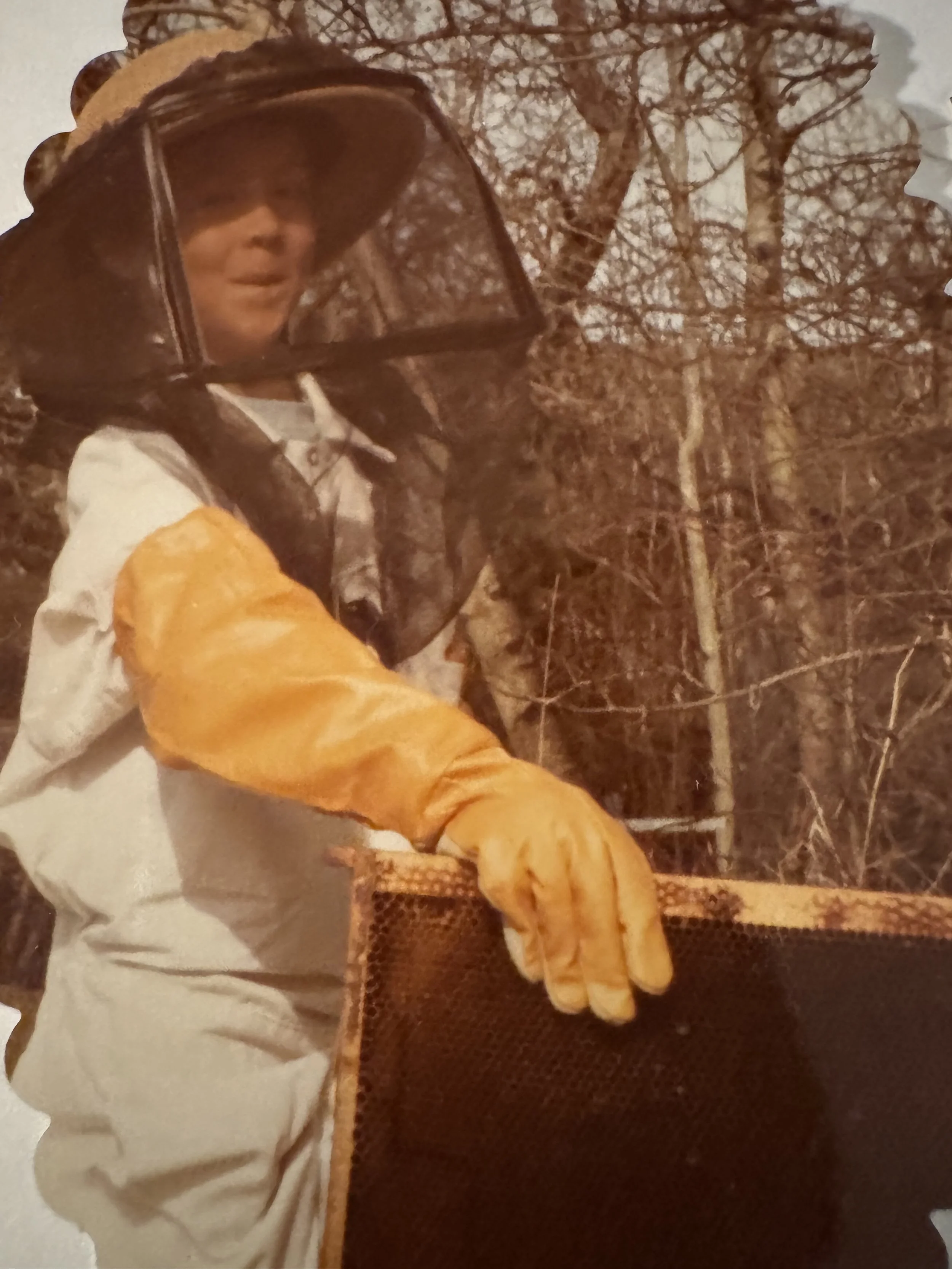
Elliot in his earlier beekeeping days
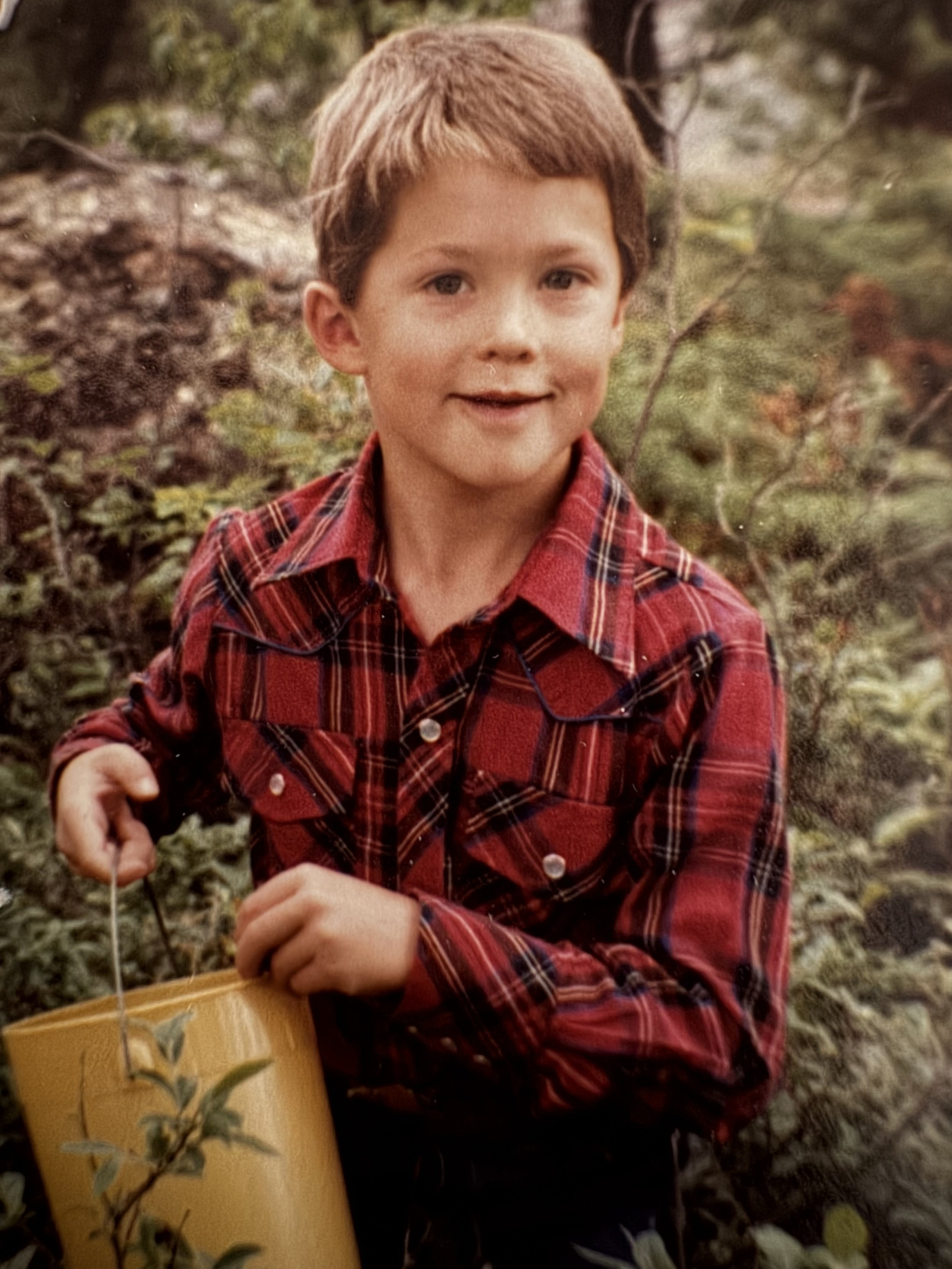
A young Elliot picking blueberries in Canada
And a favourite saying?
“Slightly cheesy, but I go back to the saying 'stay true' time and time again. To me, this means being honest with myself, sticking to my values, and not shying away from challenging circumstances or hard work.”
Survey 2 is also now open. If you work in paediatric care or have been affected by sepsis in your family, your priorities matter.

A landmark moment for paediatric sepsis research.
PASSPORT Clinical Lead A/Prof Elliot Long presented results from the PRoMPT BOLUS trial at the Pediatric Academic Societies Conference in Boston this weekend, with simultaneous publication in the New England Journal of Medicine. The largest pragmatic trial of fluid resuscitation in children with septic shock, enrolling more than 9,000 patients across five countries, the study delivered a definitive answer to one of the most debated questions in paediatric emergency medicine – and received a standing ovation from the plenary audience.
Last weekend at the Pediatric Academic Societies (PAS) Conference in Boston, A/Prof Elliot Long, lead investigator of the PASSPORT Adaptive Trial, presented results from the PRoMPT BOLUS trial along with the lead investigators, published simultaneously in the New England Journal of Medicine.
PRoMPT BOLUS is the largest trial ever conducted in critically unwell children. This pragmatic trial compared fluid types used for resuscitation in children with septic shock, enrolling more than 9,000 patients across 47 emergency departments in five countries: Australia, New Zealand, the United States, Canada, and Costa Rica. PASSPORT Steering Committee members Amanda Williams and Prof Franz Babl were among the co-authors, and together with A/Prof Elliot Long led the study in Australia and New Zealand.
The trial found no significant difference in the incidence of death, renal-replacement therapy, or persistent kidney dysfunction between balanced fluids and 0.9% saline, definitively answering a question that has long divided clinicians. This landmark study provides clear evidence that will inform the management of children with septic shock globally. It also provides a framework for international collaboration, engagement and inclusivity that will be modelled by PASSPORT.
The presentation took place in a special plenary session and was met with a standing ovation, something rarely witnessed at a scientific meeting of this kind.
As co-author Prof Nathan Kuppermann (US) reflected: "I think the audience appreciated the great collaborative effort between everyone, the engagement with all sites and investigators, the international collaboration as a push back on isolationism, and of course the Herculean scientific efforts."
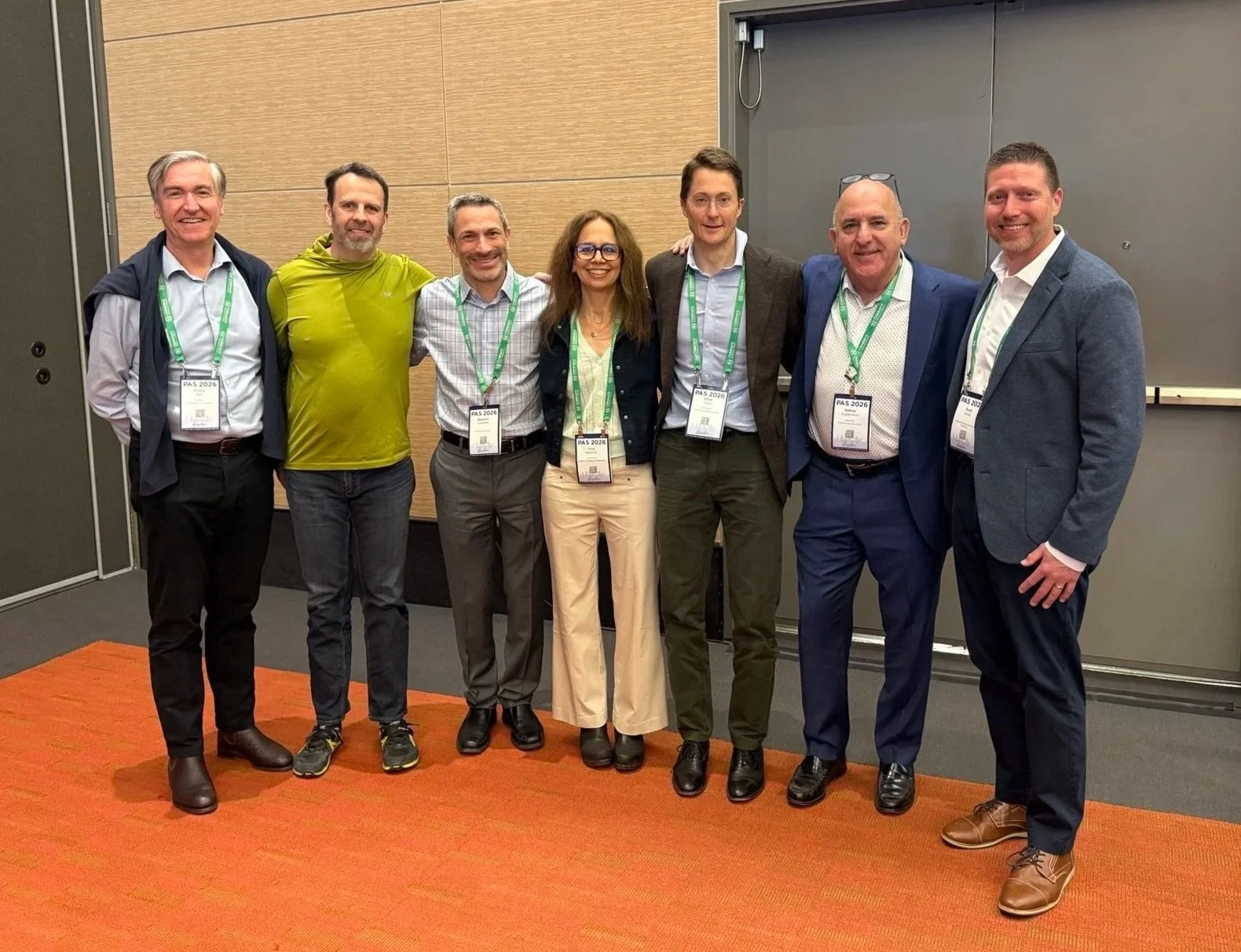
From L to R: Prof Franz Babl, Dr Graham Thompson (Canada), Prof Stephen Freedman (Canada), A/Prof Fran Balamuth (US), A/Prof Elliot Long, Prof Nathan Kuppermann (US), A/Prof Scott Weiss (US).
Congratulations to A/Prof Long, Amanda Williams, Prof Babl and all the investigators and sites across the PECARN, PERC, and PREDICT networks who made this work possible.
Survey 2 is now live – here's where we're at
The PASSPORT PSP Priority Setting Partnership has launched Survey 2, inviting clinicians, patients and families worldwide to help identify the Top 10 research priorities for paediatric sepsis. Takes 2 to 3 minutes to complete.
When we launched Survey 1, we asked the global paediatric sepsis community to share the research questions that matter most to them.
More than 600 surveys were completed by clinicians, patients and families across 62 countries, generating over 1,350 research questions. Every single one has been reviewed against published evidence, and a refined shortlist is now ready.
That shortlist is the basis for Survey 2, which is now open. We're asking the community to review it and pick their Top 10 — the questions they believe most urgently need answers. It takes 2 to 3 minutes and is open to clinicians, patients and families globally.
If you haven't taken the survey yet, we'd love to hear from you. And if you have, please share it with colleagues, networks and communities who might want to have their say.


PASSPORT grant commencement confirmed
The PASSPORT team is pleased to announce that the grant start date for our successful Medical Research Future Fund (MRFF) National Critical Trial Infrastructure Grant (MRFITI000012) is 1 January 2026.
The PASSPORT team is pleased to announce that the grant start date for our successful Medical Research Future Fund (MRFF) National Critical Trial Infrastructure Grant (MRFITI000012) is 1 January 2026.
This milestone marks the formal commencement of a major national investment in critical trial infrastructure to support the PASSPORT Platform and its mission to improve outcomes for children with sepsis through high-quality, collaborative research.
We would like to sincerely thank the Chief Investigators whose expertise, leadership and commitment were instrumental in the development of this successful application:
Prof Franz Babl, A/Prof Shane George, Prof Katherine Lee, Prof Andrew Davidson, Dr Kate Rawnsley, Prof Chris Blyth, Prof Meredith Borland, Prof Stuart Dalziel, Prof Simon Craig, Dr Sarah McNab, Prof Kim Dalziel, A/Prof Emma Tavender, Dr Adriana Yock-Corrales, and Prof Andrew Steer.
Their collective contribution reflects the strength of Australia’s paediatric critical care and research community and the shared commitment to advancing evidence-based care for children with sepsis.
We look forward to working together as the PASSPORT Platform enters this next phase.
PASSPORT People: Meet Dr Viviana Pavlicich – Steering Group Clinical Representative
Dr Viviana Pavlicich is Head of Department at Hospital General Pediátrico Niños de Acosta Ñu in Paraguay, where she has dedicated more than 20 years to paediatric emergency medicine. Working in a public children’s hospital that cares for large numbers of patients from communities with limited resources, she combines clinical leadership with teaching — guiding university students, paediatric residents and emergency medicine fellows. Her work is shaped by the daily realities of caring for children who often face significant barriers to healthcare.
Head of Department, Hospital General Pediatrico Ni;os de Acosta Ñu (Paraguay)
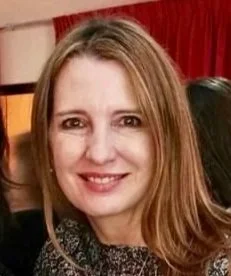
Dr Viviana Pavlicich is Head of Department at Hospital General Pediátrico Niños de Acosta Ñu in Paraguay, where she has dedicated more than 20 years to paediatric emergency medicine. Working in a public children’s hospital that cares for large numbers of patients from communities with limited resources, she combines clinical leadership with teaching — guiding university students, paediatric residents and emergency medicine fellows. Her work is shaped by the daily realities of caring for children who often face significant barriers to healthcare.
How has sepsis touched your life and work?
Sepsis is a frequent and urgent challenge in my hospital. Because of barriers in education, healthcare access, transportation and vaccination, children often arrive with sepsis at varying stages of progression. Every day, at least one patient comes to our Emergency Department showing signs of sepsis.
From your country’s perspective — what is the biggest challenge in caring for children with sepsis?
The greatest challenge is improving the living conditions of the population — something beyond the reach of healthcare professionals. Within our influence, however, is education: empowering families and healthcare workers to recognise sepsis early, and strengthening the organisation of treatment at every level of care.
What do you hope this global project will achieve for children and families?
I hope this project reaches as many children and their families as possible, so they can understand how to prevent sepsis in every possible way, how to recognise it, and how to seek help early.
What’s something people might be surprised to know about you?
That I could have chosen to work with the wealthier population in my country (Paraguay), and my professional life would have been very different. But even as a foreigner, I chose to take on the challenge of working in public healthcare and education. That decision brought many difficulties throughout my professional life, but if I could go back 30 years, I would make the same choice again.
A favourite quote or saying
I draw inspiration from my father and grandmother, who faced life’s challenges with energy, serenity and optimism. They taught me that true strength lies not in avoiding hardship but moving forward with calm determination. As Albert Camus wrote:
‘In the midst of winter, I found there was, within me, an invincible summer.’
Anything else you'd like to share?
I love travelling to explore new places and cultures — observing how people live, what they believe in and what they fear. I also enjoy nature and spending time with my family.
Survey 2 is also now open. If you work in paediatric care or have been affected by sepsis in your family, your priorities matter.
PASSPORT People: Meet Dr Tom Solan – Clinical Lead
Dr Tom Solan is a Paediatric Emergency and General Paediatric Fellow at The Royal Children’s Hospital in Melbourne and a Research Fellow with the Murdoch Children’s Research Institute’s Paediatric Sepsis Group. Originally from the UK, Tom has been based in Australia since 2017.
Paediatric Emergency Medicine Fellow, Royal Children’s Hospital, Melbourne (Australia)
Dr Tom Solan is a Paediatric Emergency and General Paediatric Fellow at The Royal Children’s Hospital in Melbourne and a Research Fellow with the Murdoch Children’s Research Institute’s Paediatric Sepsis Group. Originally from the UK, Tom has been based in Australia since 2017.
What is your lived experience of sepsis?
Sepsis has been a central part of my clinical work, caring for children and families in emergency and general paediatric settings where rapid recognition and treatment can be lifesaving. Through this work I’ve seen the profound impact sepsis has on patients and their families, from critical illness to long-term recovery challenges. These experiences have driven my commitment to research and collaboration in the paediatric sepsis space, aiming to improve care and outcomes for children worldwide.
What motivated you to Co-Lead the PASSPORT PSP?
Part of my broader research in paediatric sepsis and to help develop research priorities for larger scale trials.
What do you see as the biggest challenge in caring for children with sepsis in Australia?
Early recognition.
What do you hope this global project will achieve for children and families?
To develop priorities for research that are relevant, consumer and clinician focused so that we can hope to improve the journey for these families.
What’s something people might be surprised to know about you?
I always wanted to be a sprint hurdler, and somehow ended up in medicine!
Do you have a favourite quote that inspires you?
When you can’t see the way, all you need is enough light for the next step. (C.S. Lewis)

In the media: A/Prof Elliot Long on USA Fox News
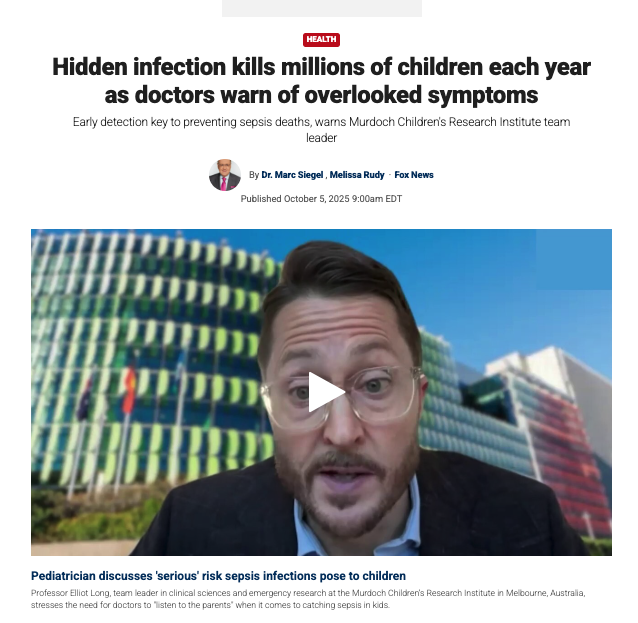
Following the publication of Epidemiology of community acquired sepsis in children in Australia and New Zealand: a multicentre prospective cohort study, in The Lancet (July), Fox News health correspondent Dr Marc Siegel spoke with Associate Professor Elliot Long from the Murdoch Children’s Research Institute about the global impact of paediatric sepsis and the urgent need for greater awareness.
Following publication of Epidemiology of community acquired sepsis in children in Australia and New Zealand: a multicentre prospective cohort study in The Lancet, Fox News health correspondent Dr Marc Siegel spoke with Associate Professor Elliot Long from the Murdoch Children’s Research Institute about the global impact of paediatric sepsis and the urgent need for greater awareness.
A/Prof Long highlighted that sepsis remains a hidden global killer, claiming the lives of more than 3 million children every year.
He explained that early symptoms are often mistaken for common viral infections, making rapid recognition and treatment critical.
Professor Long called for greater awareness, improved therapies, and stronger support for survivors and families living with the long-term impacts of sepsis.
See the full story here:
Associate Professor Elliot Long is a paediatric emergency physician working at The Royal Children’s Hospital, Melbourne.
He is the Sepsis Research Team leader at Murdoch Children’s Research Institute, and an Associate Professor at The University of Melbourne .
He is also the Clinical Lead for the PASSPORT Trial and the Global Paediatric Sepsis Survey.
Shaping the Future of Paediatric Sepsis Research
The Paediatric Sepsis Research Priority Survey is inviting global participation to help identify key research areas in paediatric sepsis. This initiative aims to shape future studies and improve outcomes for children affected by sepsis worldwide. By contributing, patients, parents, carers and health care professionals can influence the direction of critical research to better understand and treat this serious condition in children.
Every year, an estimated 25.2 million children worldwide are diagnosed with sepsis — with 3.4 million tragically losing their lives. Sepsis remains one of the most urgent and devastating health challenges facing children globally.
To change this, a new initiative is underway: the Paediatric Adaptive Sepsis Platform Trial (PASSPORT). This groundbreaking trial is being designed to test multiple treatments for paediatric sepsis under a single, adaptive platform. By using cutting-edge trial methods, PASSPORT will:
Evaluate several treatments at the same time
Adapt based on results in real time, so children always receive the best evidence-based care
Accelerate the discovery of effective therapies for critically ill children
The trial will begin in 2027, enrolling children aged 1 month to 18 years across Australia and New Zealand, before expanding to include sites around the world.
Hear from members of our PSP Steering Group:
But what research questions are most important?
Before PASSPORT begins, we want to ensure that the research focuses on the questions that matter most to those affected by sepsis: patients, parents and carers, and health care professionals.
That’s why we’re partnering with the James Lind Alliance to run a Research Priority Survey. The survey will identify the top unanswered questions about paediatric sepsis and guide the PASSPORT trial to address them.
By taking part, you can help shape the future of sepsis research — ensuring the trial delivers answers that will truly improve outcomes for children.

Get involved
📅 The Research Priority Survey launches just in time for World Sepsis Day — Saturday 13 September.
Follow us on socials and share the survey
Together, we can reduce the global burden of paediatric sepsis and save young lives.