Welcome to the Passport PSP Survey One Page.
We have closed the survey as of 21st November 2025.
A huge thanks to everyone who has participated, and we look forward to your continued contribution with Survey Two around March 2026.
Paediatric Sepsis Priority Setting Partnership
The Paediatric Sepsis Priority Setting Partnership (PSP) has been established to identify the most urgent unanswered questions about sepsis in children and to set priorities for future research. This work is guided by the James Lind Alliance (JLA), an initiative that brings together patients, carers, and clinicians to shape research agendas around issues that matter most to those directly affected.
The scope will include infants and children from 1 week of life to 18 years of life. The PSP is a global initiative focusing on both high and low middle income countries.
Stay in the loop. We'd love to keep you informed of future developments and opportunities to make a difference.
SURVEY ONE: Closed

The goal of a PSP is to ensure that research addresses the questions that matter most to patients, families, and health care professionals—not just those identified by academics or industry. Traditionally, PSPs have focused on the effects of treatments, but many now take a broader view, considering prevention, diagnosis, care, and long-term outcomes. Once priorities are set, they are shared with research funding bodies to influence the focus of future studies.
About the James Lind Alliance
The JLA was established in 2004 as a non-profit initiative coordinated by the National Institute for Health and Care Research (NIHR) in the UK. Based at the NIHR Coordinating Centre at the University of Southampton, the JLA supports Priority Setting Partnerships across a wide range of health topics.


Why Paediatric Sepsis?
Sepsis is a life-threatening condition in which the body’s response to infection becomes harmful, causing organ damage and, in many cases, death. It can arise from bacterial, viral, or fungal infections, and despite advances in vaccines, antibiotics, and intensive care, sepsis remains the leading cause of preventable deaths worldwide.
Children are particularly vulnerable. Globally, sepsis affects around 50 million people each year, half of whom are under 19. It is responsible for an estimated 2.9 million deaths annually in children under 5 and 454,000 deaths in those aged 5–19. Survivors often face long-term disability, psychological impacts, and lost developmental opportunities.
Sepsis can progress rapidly, even in previously healthy children. Its symptoms often resemble other common illnesses, making early recognition difficult. It may develop in the community, usually following a preventable infection, or in hospital, where healthcare-associated infections are a major cause of serious harm. The World Health Organization defines sepsis as “a life-threatening condition that arises when the body’s response to infection causes injury to its own tissues and organs.”
Despite its enormous burden, paediatric-specific research into prevention, diagnosis, treatment, and follow-up care remains limited. Global inequities in healthcare further compound the risks faced by children, particularly in low- and middle-income countries. Addressing these gaps requires coordinated international effort.
Vision and Support
The Paediatric Sepsis PSP was created to unite health care professionals, patients, families, and carers in shaping the research agenda for paediatric sepsis. Using the JLA framework, this partnership will identify and prioritise the questions that most urgently need answers. The ultimate aim is to reduce mortality and improve outcomes for children worldwide.
This work is supported by The Royal Children’s Hospital Foundation and an Australian National Health & Medical Research Council Investigator Grant.
Aims and Objectives
The Paediatric Sepsis PSP aims to identify unanswered questions about paediatric sepsis and reach a consensus on the most important areas for research.
Its objectives are to:
Work with patients, carers, and health care professionals to identify uncertainties about recognising, diagnosing, treating, and caring for children with sepsis.
Highlight gaps in evidence that, if addressed, could reduce mortality and morbidity.
Explore ways to improve care, support, and long-term outcomes for survivors and their families.
Develop a prioritised list of research questions agreed upon by patients, carers, and clinicians.
Share the results widely and present them to research commissioning bodies for consideration.
Scope of the Partnership
The scope of the Paediatric Sepsis PSP is broad, covering all aspects of paediatric sepsis management. This includes:
Susceptibility, risk factors, and prevention.
Early recognition by parents, carers, and health professionals.
Diagnostic tools and strategies.
Treatment in hospital and community settings.
Outcomes and impacts—physical, psychological, social, and societal.
Effects of sepsis on families and caregivers.
The PSP will include infants and children from one week to 18 years of age, across both high-income and low- and middle-income countries. Particular attention will be paid to vulnerable groups at higher risk.
Exclusions: The PSP will not cover adult sepsis, preterm infants born before 40 weeks’ gestation, or newborns in their first week of life.
Process and Oversight
The Steering Group will oversee the work of the PSP, ensuring the protocol and its scope are applied consistently. This includes planning for the evidence-checking phase, where existing research will be reviewed to confirm genuine gaps in knowledge. Appropriate resources and expertise will be dedicated to this stage to maintain rigour and transparency.
Why is this important?
Sepsis in children is an urgent global health challenge that demands focused, patient-centred research. By bringing together the voices of families, carers, and clinicians, the Paediatric Sepsis Priority Setting Partnership will ensure that future studies address the questions with the greatest potential to save lives and improve outcomes. This collaborative approach, grounded in the principles of the James Lind Alliance, represents an important step towards reducing the devastating impact of paediatric sepsis worldwide.
Frequently asked questions
-
Sepsis is a life-threatening condition that arises when the body’s response to infection injures its own tissues. Any type of infection —bacterial, viral or fungal — can lead to sepsis, with potentially devastating results.
If not recognised and treated promptly sepsis can result in avoidable death and disability. Sepsis can affect previously healthy people, and has profound impacts on individuals, their families, and the healthcare system. Many sepsis survivors endure substantial morbidity, including amputations, irreversible functional disabilities, persistent symptomatic organ dysfunction, and psychological trauma, often leading to frequent re-hospitalisations.
-
The aim of PSPs is to bring patients, carers and clinicians together to jointly identify priorities for research. The James Lind Alliance's current portfolio of PSPs is on the JLA website. JLA PSPs are characterised by following an evidence-based method set out in the JLA Guidebook and are facilitated by one of a small team of approved JLA Advisers.
PSPs' objectives are to:bring patients, carers and clinicians together to identify uncertainties or unanswered questions for specific health issues
agree by consensus a prioritised 'Top 10' list of those uncertainties for research
publicise the methods and results of the PSP
draw the results to the attention of research funders, independently of the JLA.
Advocates of, and individuals from, the following groups are eligible to take part in a PSP:
people with experience of the health area in question
carers and families of those affected
health and social care professionals working with patients and carers in the health area in question.
-
The James Lind Alliance (JLA) is a non-profit making initiative which is funded by the UK’s National Institute of Health Research (NIHR). It provides a “tried-and-tested”, fair and rigorous process to help patients, carers and clinicians work together to agree which are the most important treatment uncertainties affecting their particular interest (in this case sepsis), in order to influence the prioritisation of future research in that area.
-
People who have had sepsis in their childhood or adolescent years
Carers of people who have had sepsis in their childhood or adolescent years (families, partners, friends etc.)
Health care professionals involved in the care/treatment of patients with sepsis in their childhood or adolescent years
Please note: Survey respondents must be over 18 .
-
It should take about 5–10 minutes to complete.
-
Your question(s) will be gathered together and examined with questions we receive from everyone else who takes part in this survey.
The questions that haven’t already been answered by research will be published.
They will go through a process of prioritisation which you can also be involved in if you like.
This will result in a list of research topics which we will use to influence future research priorities and decisions.
-
We’d love your help!
You can simply forward the website link: https://passport-platform.org
If your organisation would like to become a partner please contact hello@passport-platform.org
-
There will be two surveys.
Survey 1 offers sepsis patients, carers and healthcare professionals the chance to participate in a survey aimed at gathering their questions and concerns about sepsis. This input will help us identify the most common unanswered research questions.
Once we collect the questions, we will review them against existing published research to determine which have already been addressed.
From here we conduct Survey 2 to help prioritise the summary questions.
Ultimately, we will publish a final list of the Top 10 unanswered research questions, encouraging researchers and funding bodies to focus on the most urgent and relevant needs of those affected by sepsis.
CLINICAL LEADS

Tom Solan
Dr Tom Solan is a Paediatric Doctor at The Royal Children’s Hospital in Melbourne, Australia, and a PhD candidate at the University of Melbourne. His doctoral research focuses on paediatric sepsis, with particular interests in antimicrobial therapy and early recognition.
He is currently undertaking specialist training in Paediatric Emergency Medicine and General Paediatrics.
Tom is a clinical researcher with interests in paediatric sepsis, airway management, and patient safety. He is a Research Fellow at the Murdoch Children’s Research Institute and an active contributor to the Paediatric Research in Emergency Departments International Collaborative (PREDICT) network and the Difficult Airway Society.

Elliot Long
Associate Professor Elliot Long is a paediatric emergency physician working at The Royal Children’s Hospital, Melbourne. He is the Sepsis Research Team leader at Murdoch Children’s Research Institute, and an Associate Professor at The University of Melbourne Department of Critical Care. His doctoral study investigated the role of ultrasound in fluid resuscitation for sepsis.
As an executive member of the Paediatric Research in Emergency Departments International Collaborative (PREDICT) Network, Associate Professor Long has undertaken national and international sepsis-related research projects. These have included collaborations with other emergency research networks and individual sites in high and low- and middle-income countries.
JLA International Paediatric Sepsis Steering Group
Patient and Carer Representative
Jessica Carne

-
On arrival he went into cardiac arrest and Jessica was told he wasn’t going to make it. After 10 minutes thankfully Ryan pulled through, but was found to be in severe septic shock from a strep A infection. Although Ryan survived, due to the damage caused he had to have major surgery to amputate both of his lower legs and all of his fingertips/some fingers.
Jessica has been working to help raise awareness of sepsis and to help promote quicker diagnosis and treatment times.
Catherine Han

-
Catherine is passionate about sharing their experience to raise awareness, support research, and help other families navigate similar challenges through this program.
Tenielle Bale

-
When Isla was only three weeks old, she suddenly became extremely unwell and was rushed to the emergency department. Over the course of ten confronting hours, Tenielle pleaded for Isla to be transferred to the state’s main children’s hospital, but her concerns were repeatedly dismissed. Eventually, she was told to prepare for the unthinkable, that Isla would not survive the night and ultimately pass away.
In a final moment of hope, a new doctor listened to Tenielle’s voice as both a mother and a health professional and granted the transfer. On arrival, Isla was diagnosed with septic shock and was in multi-organ failure. She was admitted immediately to intensive care, where she remained for a week, followed by another week on the ward. Against all odds, Isla survived.
This experience has shaped Tenielle’s passion for advocacy and her determination to ensure that no parent, carer or patient feels silenced in a moment of crisis. By sharing Isla’s story, she wishes to raise awareness of the devastating impact of sepsis, highlighting the need for early recognition, diagnosis, intervention, timely treatment, and supporting research aimed at improving outcomes for patients. Tenielle brings both her professional perspective as a nurse and her lived experience as a mother to her role, and she is committed to supporting survivors and their families while working to prevent other families from facing the same ordeal. Tenielle is passionate about empowering families and the community with the knowledge and recognition of sepsis that can ultimately save lives.
Kimberley Bulka

-
Thankfully her daughter survived however her daughter still has ongoing issues which potentially might be lifelong. This experience has highlighted the need for better education about sepsis for families and health care professionals which is something Kimberley is passionate about improving so that hopefully other families don't have to experience what her family went through and early detection/treatment for sepsis is provided if clinically indicated.

Andreia Rodrigues
-
Her daughter’s journey was incredibly tough, but she made a full recovery, something Andreia’s family is deeply grateful for every day. She is sharing their experience in the hope that it can raise awareness, support others facing similar challenges, and help promote early detection and treatment of sepsis. Andreia believes that If their story can help even one family, it’s worth telling.
Kate Rawnsley

-
Kate is a strong advocate for the importance of parental concern being recognised and acted upon in clinical settings. Professionally, Kate is a paediatric physiotherapist and has worked with children experiencing complications of sepsis in both acute and rehabilitation stages. Kate also has research experience, having completed a PhD in early detection of developmental delay using remote assessment methods.
Clinical representatives - HIC
Debbie Long

-
based at Queensland University of Technology. A leading Australian researcher in paediatric critical care long-term outcomes, Debbie heads the Paediatric Intensive Care Optimising Long-term Outcomes (PICOLO) network, a collaboration of clinicians, researchers, and consumers dedicated to improving outcomes for children and their families following critical illness. She was elected co-vice chair of the Australian and New Zealand Intensive Care Society's Paediatric Study Group in 2025.

Ben Lawton
-
in an emergency department in Queensland. He has active interests in simulation and patient safety.
Alison Boast

Sarah McNab

-
She holds honorary appointments with Murdoch Children’s Research Institute (where she completed a Clinician Scientist Fellowship) and The University of Melbourne. Sarah’s PhD research compared intravenous fluids in children and helped lead international practice change. Subsequently, she founded and co-chaired CIRCAN (Children’s Inpatient Research Collaboration of Australia and New Zealand) which has representatives from 42 hospitals.
Shane George

-
Associate Professor George is an Emergency Physician and Paediatric Intensivist working in Queensland, Australia. He is an active clinician researcher with an interest in topics which span both emergency and intensive care practice, including sepsis. He is vice-chair of the Paediatric Research in Emergency Departments International Collaborative (PREDICT) research network and a member the of the Australia and New Zealand Intensive Care Society Paediatric Study Group (ANZICS PSG).

Neil Wimalasundera
-
at Great Ormond Street Hospital before starting at the Royal Children’s Hospital in 2017. He is the Director of the Victorian Paediatric Rehabilitation Service at the RCH and specialist interests include the management of complex movement disorders, cerebral palsy and acquired brain injury.
Srinivas Murthy

-
His clinical and academic interests are in innovative clinical trials to improve the outcomes of severe infections.
Katherine Priddis

-
She is the clinical lead for paediatric emergency medicine and holds a medical education role as the Post-graduate Clinical tutor. She is an Executive Director of Don’t Forget The Bubbles (DFTB) and Honorary Senior Lecturer in the joint DFTB and Queen Mary University of London PEM MSc.
Jenala Njirammadzi
Clinical representatives - LMIC
-
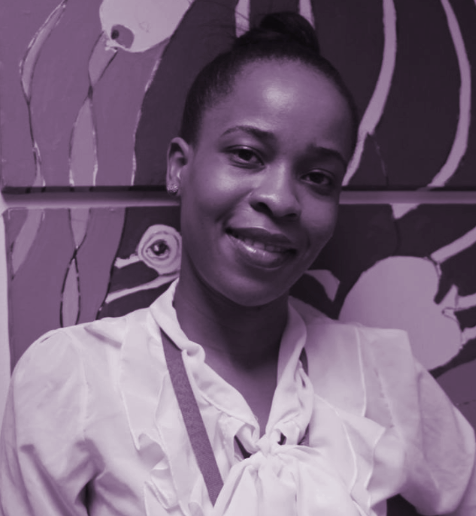
infectious diseases, monitoring, and safe patient transfer.
Antoinette David

-
in Neonatology and Infectious Diseases. Her clinical research interest focuses on the management and outcomes of sepsis and HIV.
Özlem Tekşam

-
Fellowship training and she received a certificate of expertise in PEM at the same institution. She also received a PhD degree in Pharmaceutical Toxicology at Hacettepe University. Since 2015, she has been working as a Professor of Pediatrics at Hacettepe University as the director of the Division of PEM and the director of the General Pediatric Outpatient Clinic. Her specific areas of research and study are triage in hospitals, injury prevention, trauma, disaster, toxicology and training in PEM.
She is a member of the Executive Committee of the Turkish National Pediatric Society and the President of the Turkish Pediatric Emergency Medicine and Intensive Care Society. Currently, she is working as Communication Leader of the Special Interest Group in the PEM Branch (EUSEP) of the European Society of Emergency Medicine (EUSEM). She is also past Co-Chair of the International Pediatric Association Strategic Advisory Committee on Children in Humanitarian Emergencies.

Janvier Hitayezu
-
(Paediatric ICU & HDU) at CHUK (Centre Hospitalier Universitaire de Kigali) in Kigali, Rwanda. His day-to-day assignment consists in overseeing the clinical care of critically ill children as well as the training and coaching different medical professional cadres in this discipline within Rwanda and beyond. His other international participation includes for instance a global community of clinician educators committed to improving critical care education and training and a paediatric BASIC course trainer.
Janvier has also had strong ties and track records with genetics. He attended the international summit of Human Genetics and Genomics in the NIH (USA) in 2017. He later on completed a two-year (2019-2021) Medical Genetics and Genomics Certificate Program (NHRH, NIH)
Passionate about and establishing himself in research, his special areas of interest have thus been paediatrics/child health and genetics. He is also an editorial board member for both Plos One & Rwanda medical journals."

Rahhika Raman
-
in South India and President of Pediatric Emergency Medicine chapter of Indian Academy of Pediatrics - 2023-2024. Dr Raman is actively involved in improving Pediatric Emergency care in India and interested in research that would contribute to establishing standards of care in the region.
Viviana Pavlicich
-
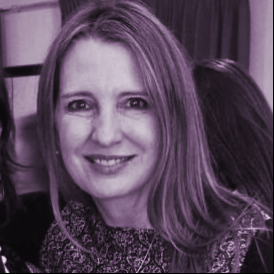
She is also Professor of Pediatrics and Coordinator of the Postgraduate Program in Pediatric Urgencies and Emergencies at Universidad Privada del Pacífico in collaboration with the Ministry of Public Health and Social Welfare, as well as Director of the Advanced University Course at Universidad Privada del Este.
She has served as President and now as Advisor to the Latin American Society of Pediatric Emergency Medicine, and is the Co-Coordinator of RIDEPLA – Latin American Pediatric Emergency Research Network.
Project Team
Amanda Williams

-
Amanda obtained her Bachelor of Nursing and Postgraduate Certificate in Nursing Practice (Paediatrics) in Victoria and worked in the Emergency Department at RCH for 13 years. Amanda has been involved within the research team in her current role as Research Coordinator since 2010. Amanda has coordinated several large, multicentre, NHMRC funded trials within the PREDICT network.
Toto Gronlund - JLA Advisor

-
Toto currently supports several JLA Priority Setting Partnerships and other projects, in the UK and internationally.
Previously Toto had a 30-year career with the National Health Service in the UK including: clinical work and research as Medical Physicist; supporting national projects in health informatics and health economics. In her spare time she enjoys the mountains, her family and dog.
Hanan El Gharib
-
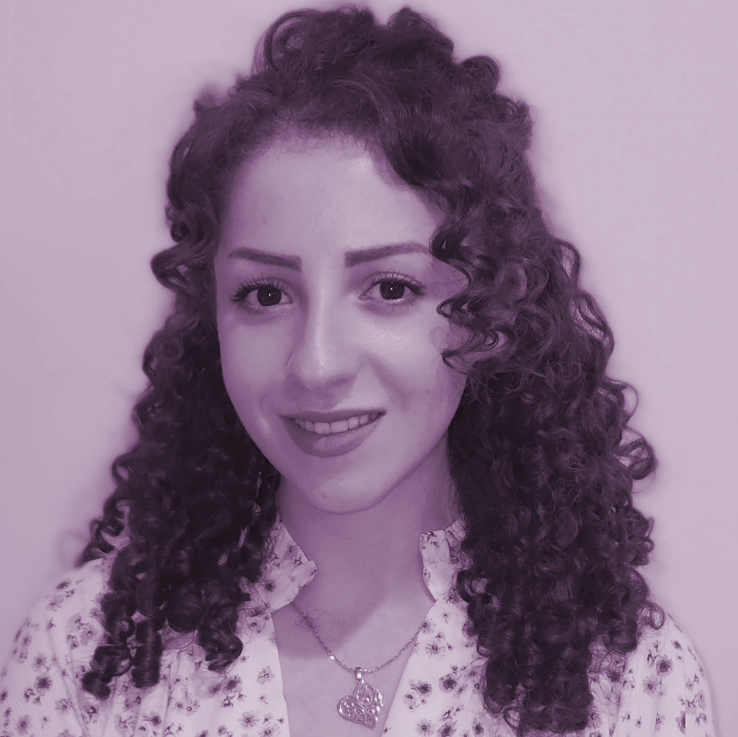
In 2022, she relocated to Melbourne with her partner. Since early 2023, I have been employed by Amanda Williams as a Pediatric Emergency Research Nurse, actively contributing to research aimed at improving outcomes in pediatric emergency care.
The Paediatric Sepsis PSP acknowledges the assistance of Australia’s National Critical Care Research Collaboration and the Shaping Sepsis Care team for their generous knowledge sharing and advice from their experience in establishing a PSP for research priorities for adult sepsis in Australia.